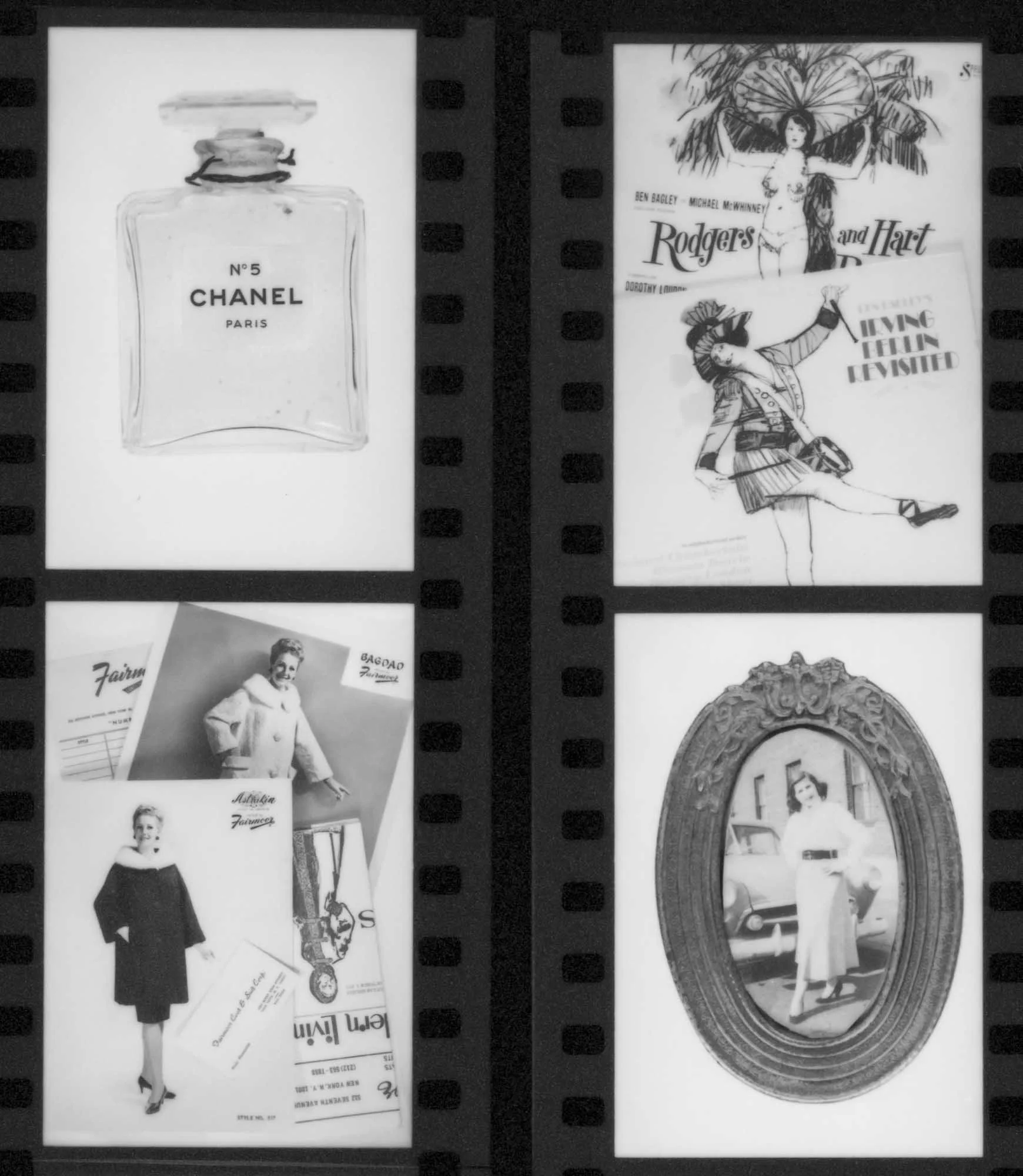
Things of My Mother, Contact Grids
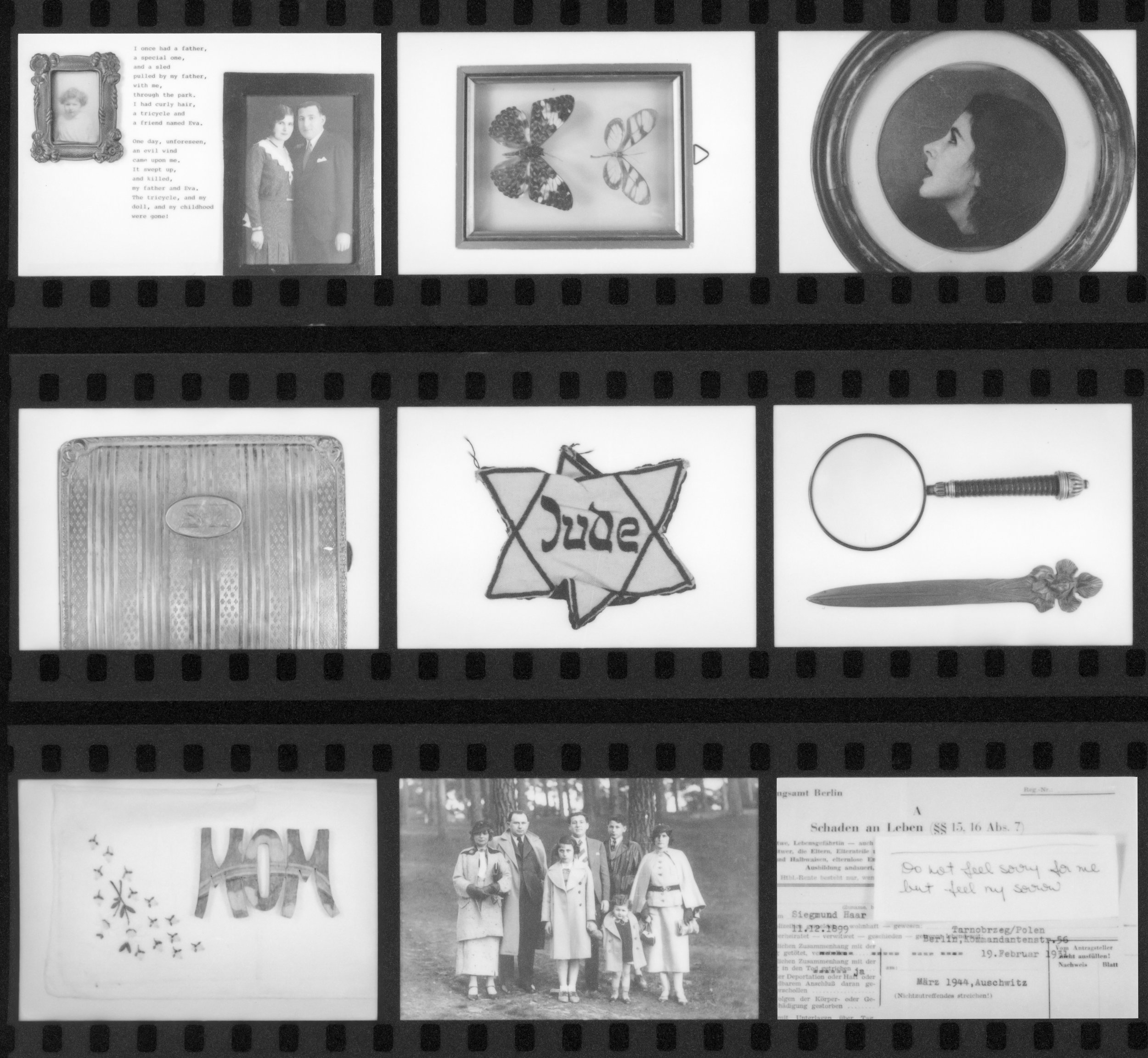
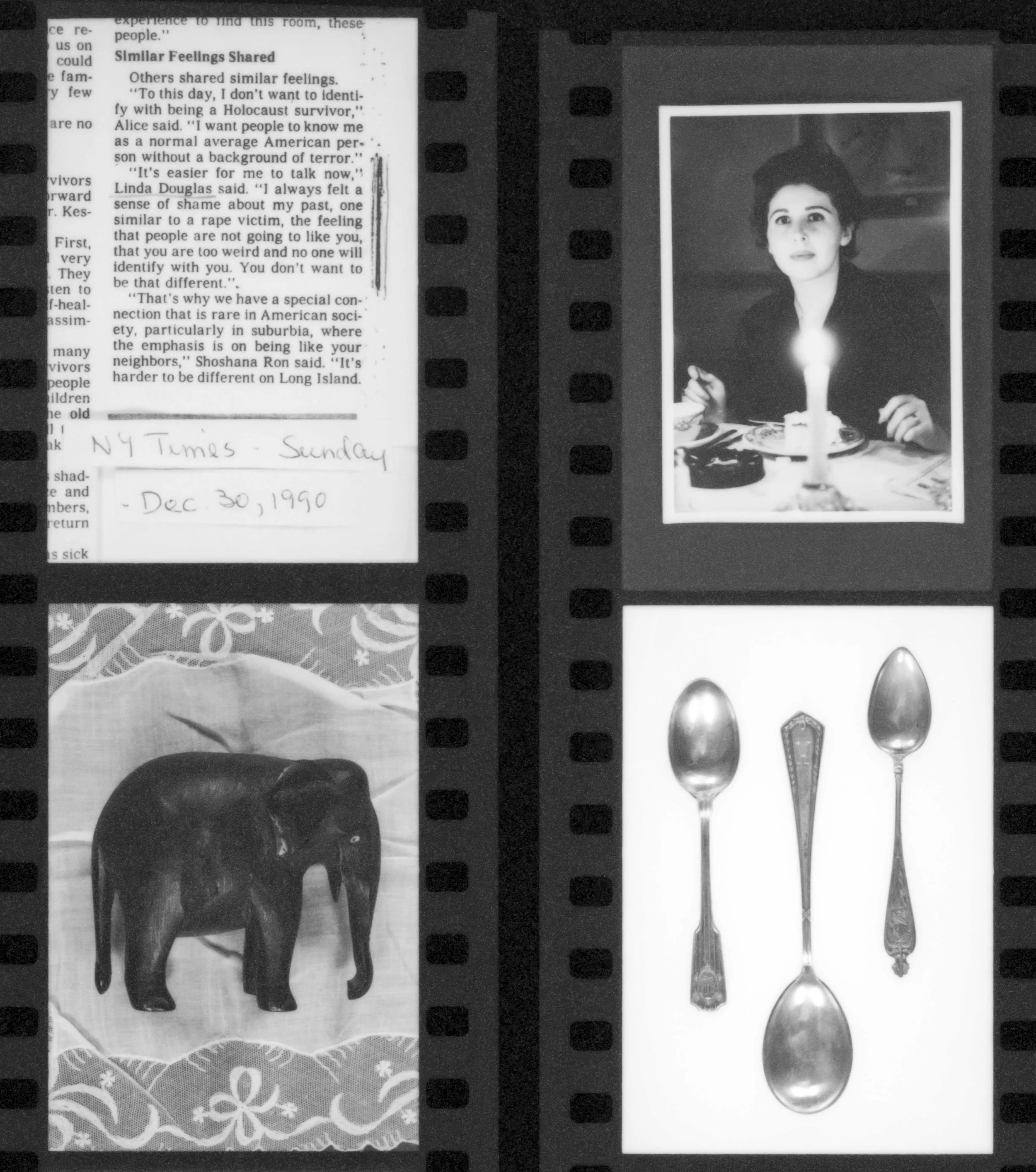
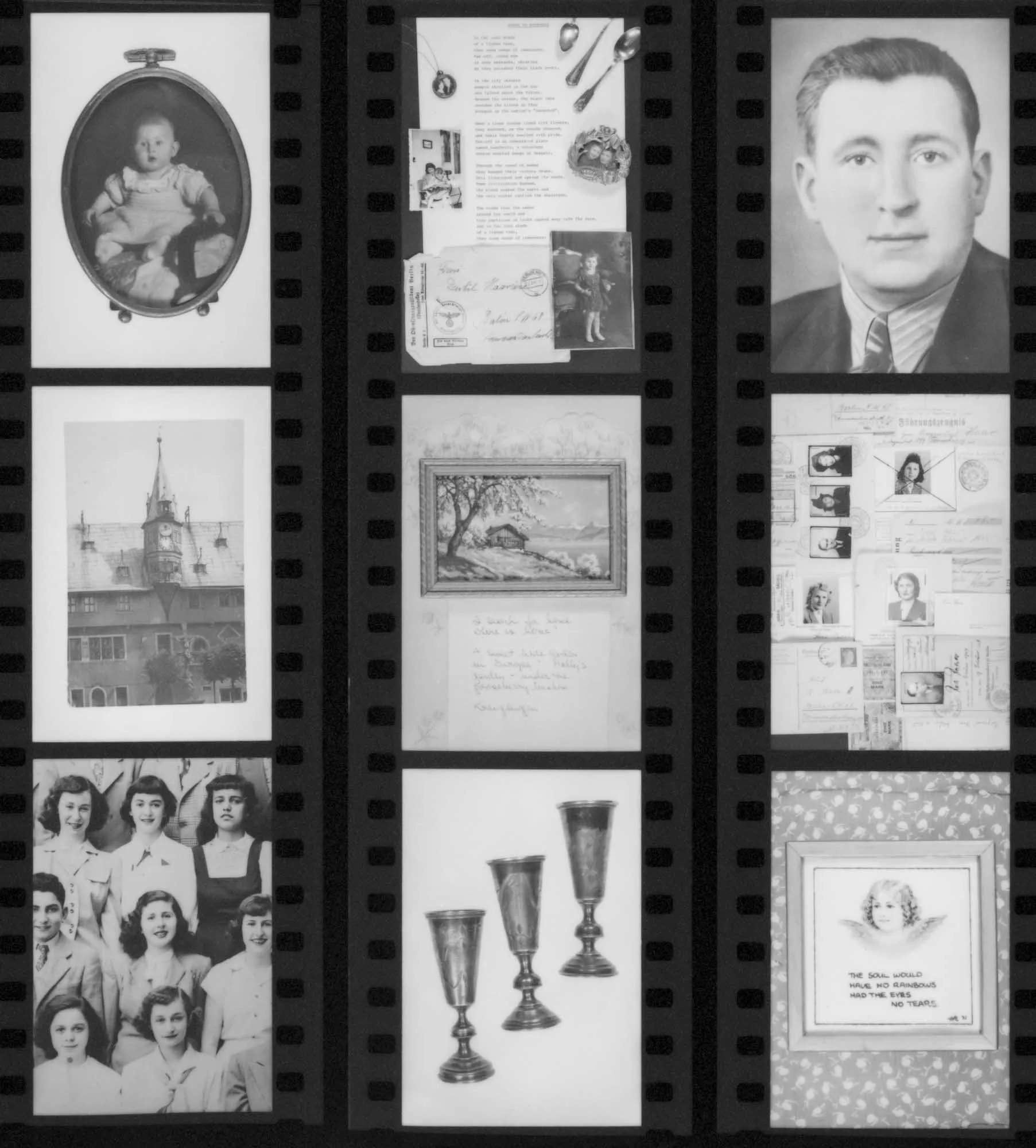
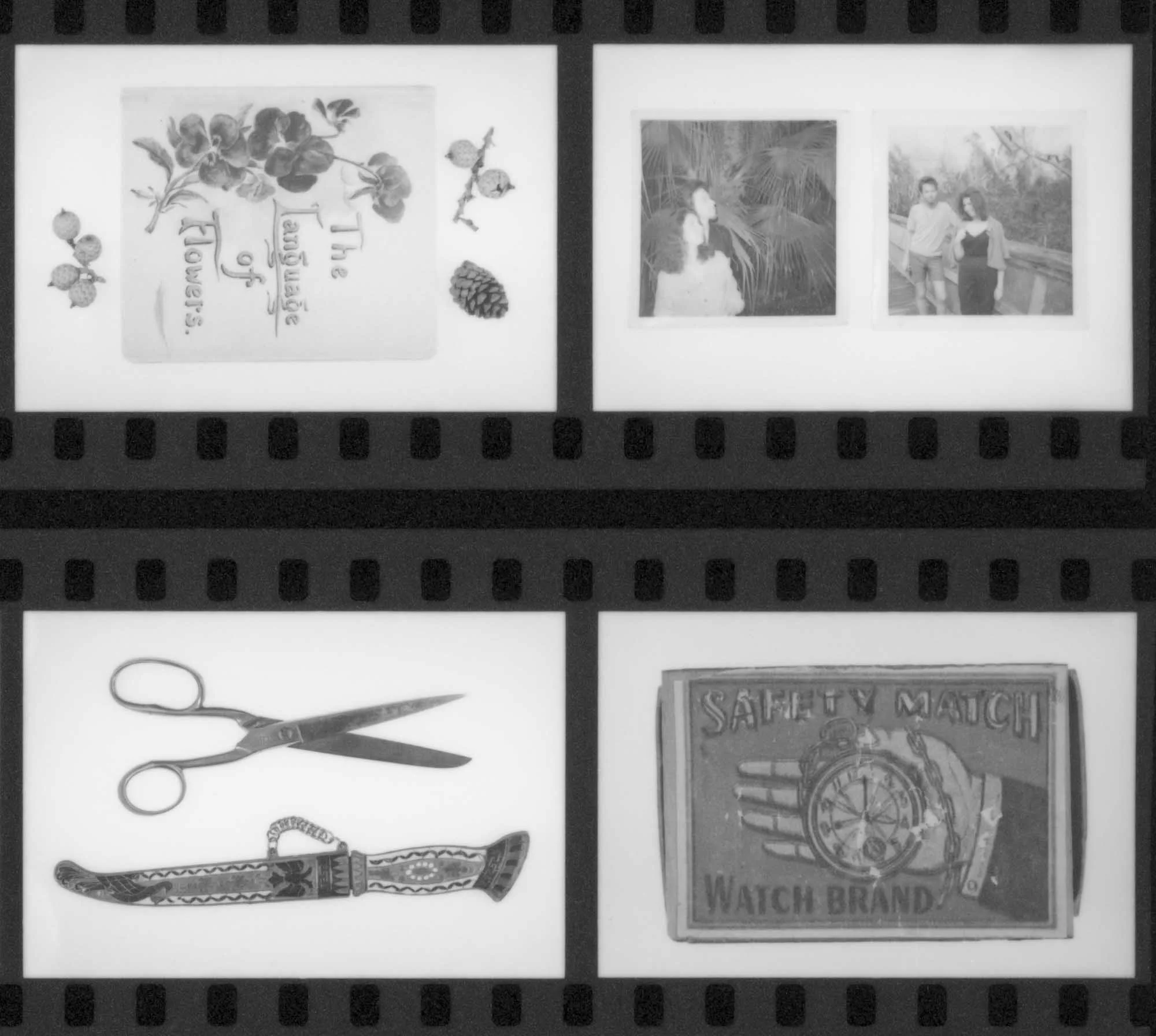
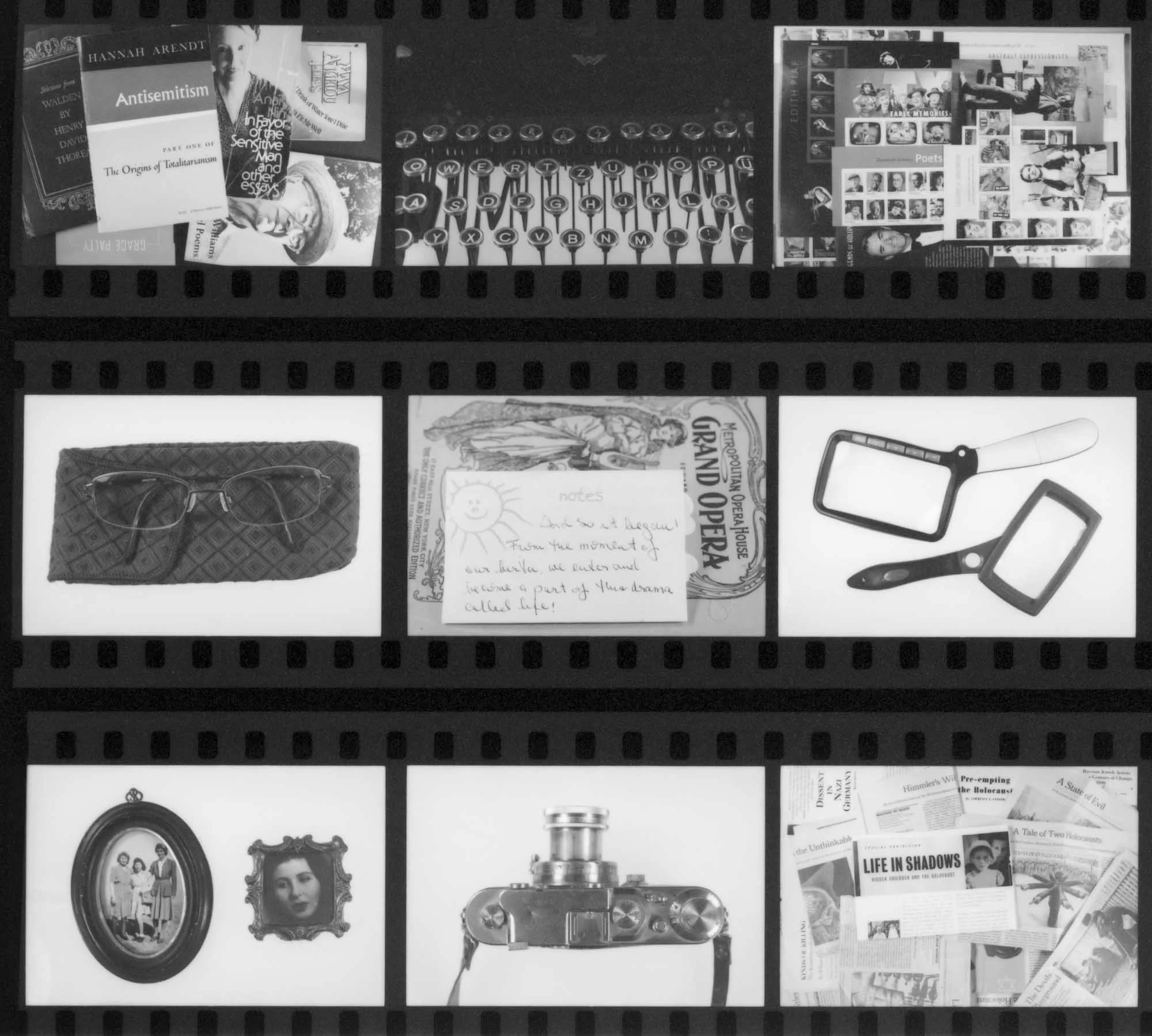
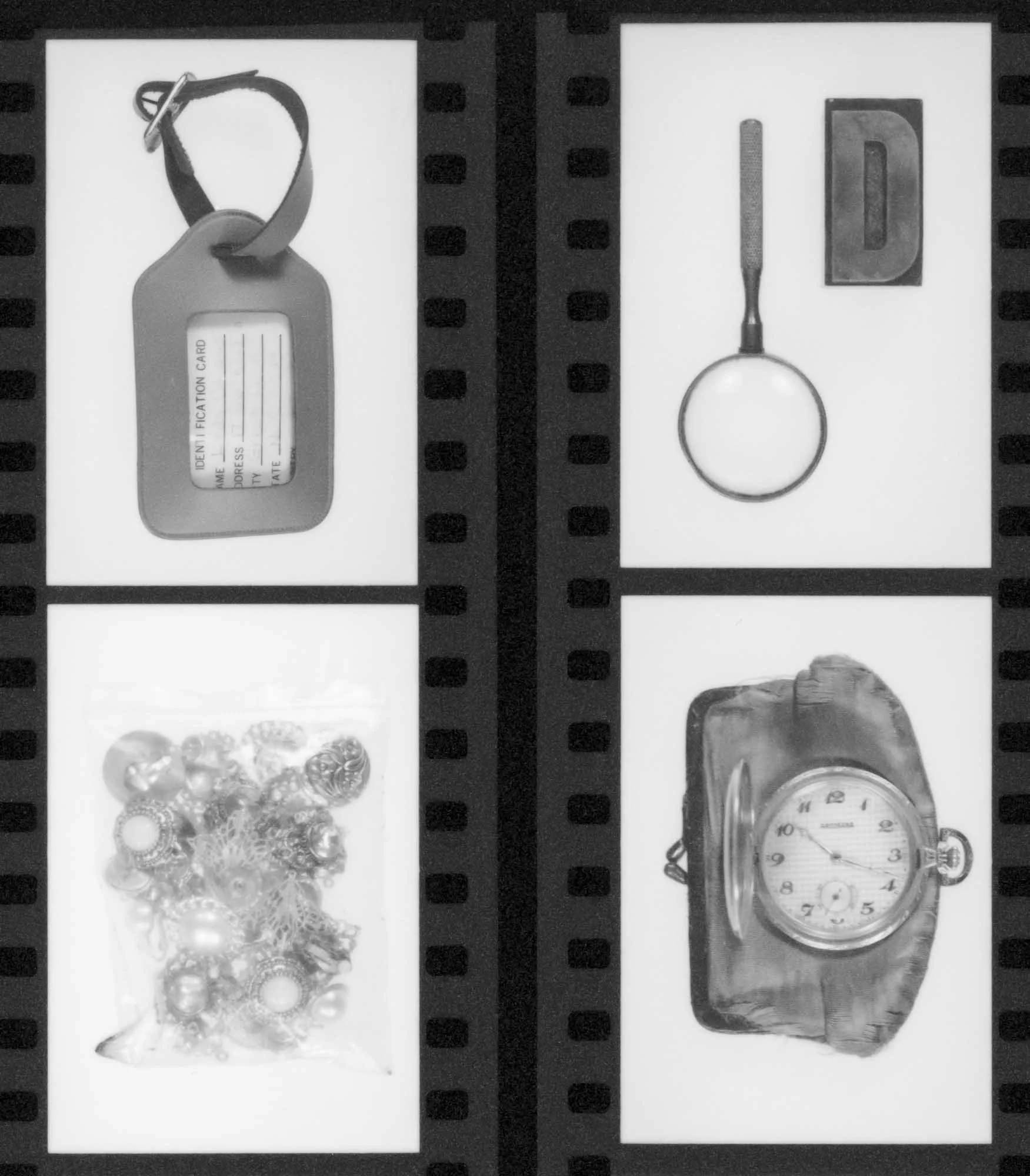
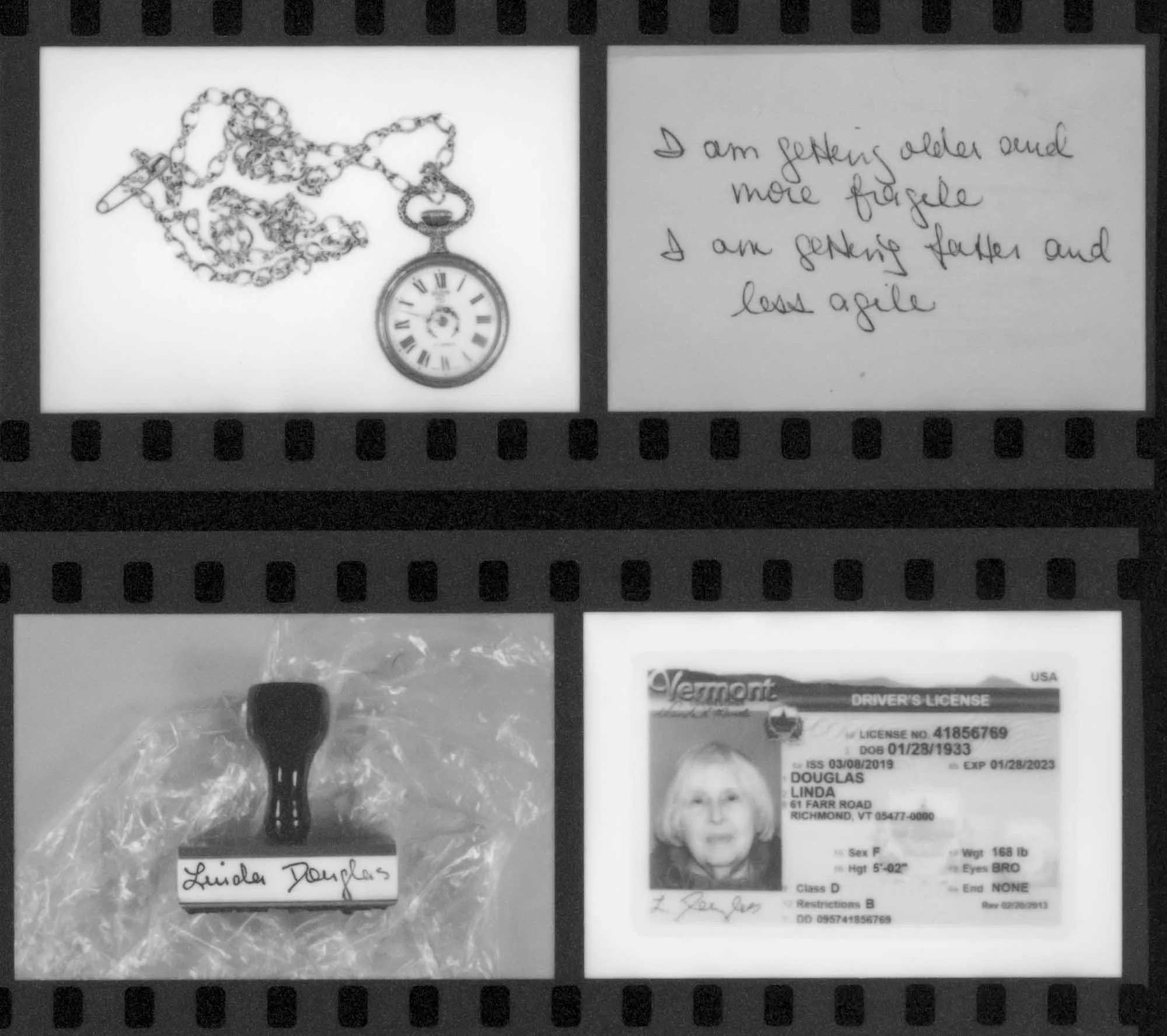
“Things of My Mother” was created for the exhibition, Do We Say Goodby? Grief, Loss, and Mourning, at the Burlington City Arts Center (September 26, 2025 - January 24, 2026). It began as a memorialization. As I photographed objects that represented my mother, who died in December 2022, I uncovered aspects of her lifelong pain and sorrows. Instead of focusing simply on my loss, the project became centered around her grief. Linda Douglas, née Henny Haar, was a Holocaust survivor. Born in Berlin in 1933, two days before Hitler was installed as Chancellor, her childhood was defined by persecution, upheaval, violence, capture and escape, bombing, and liberation. She and her mother were among the 8,000 Jews to live through the war in Berlin. Her father, Siegmund, was killed at Auschwitz in 1944. She moved to New York in 1947 and became a U.S. citizen in 1956.
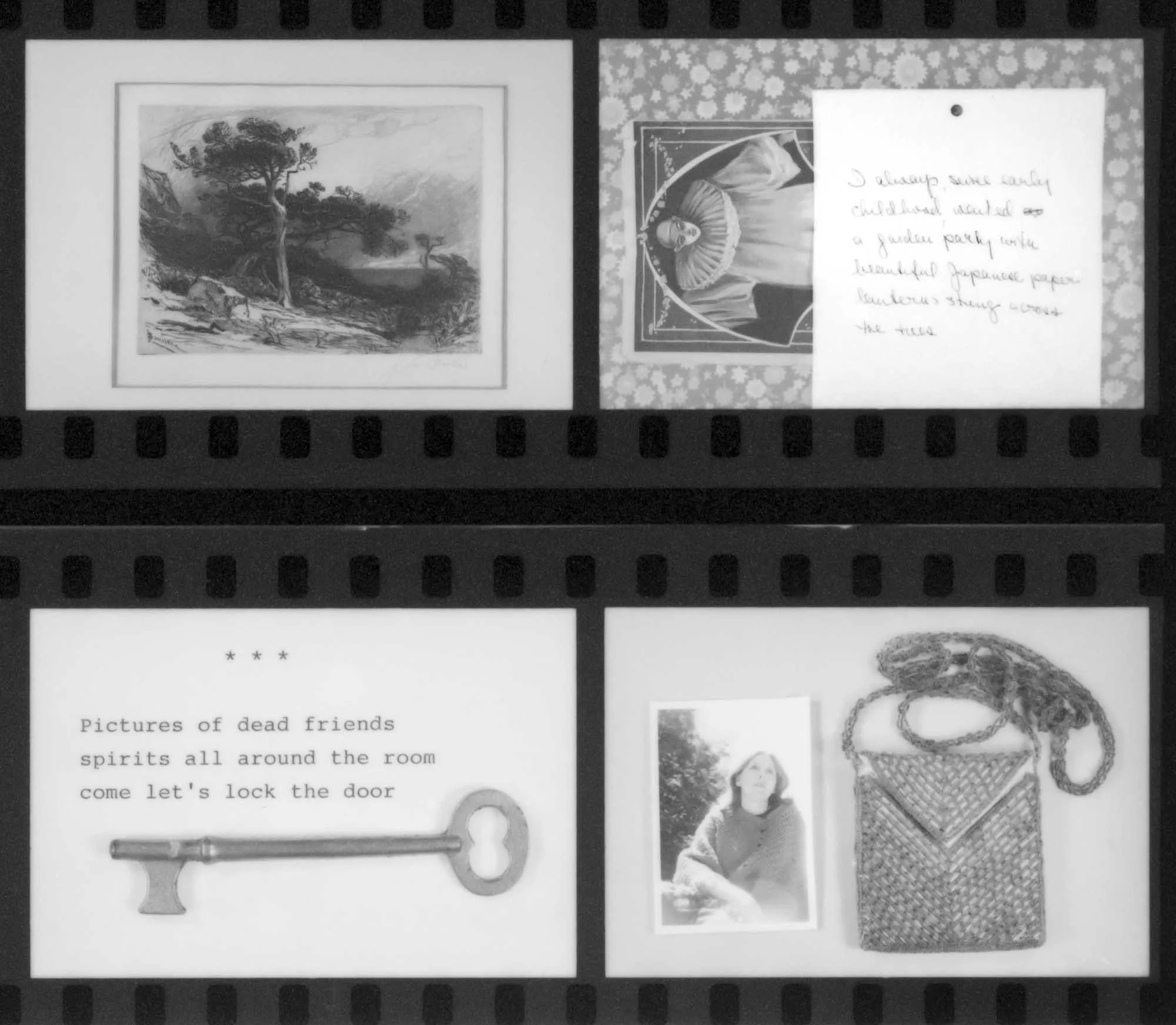
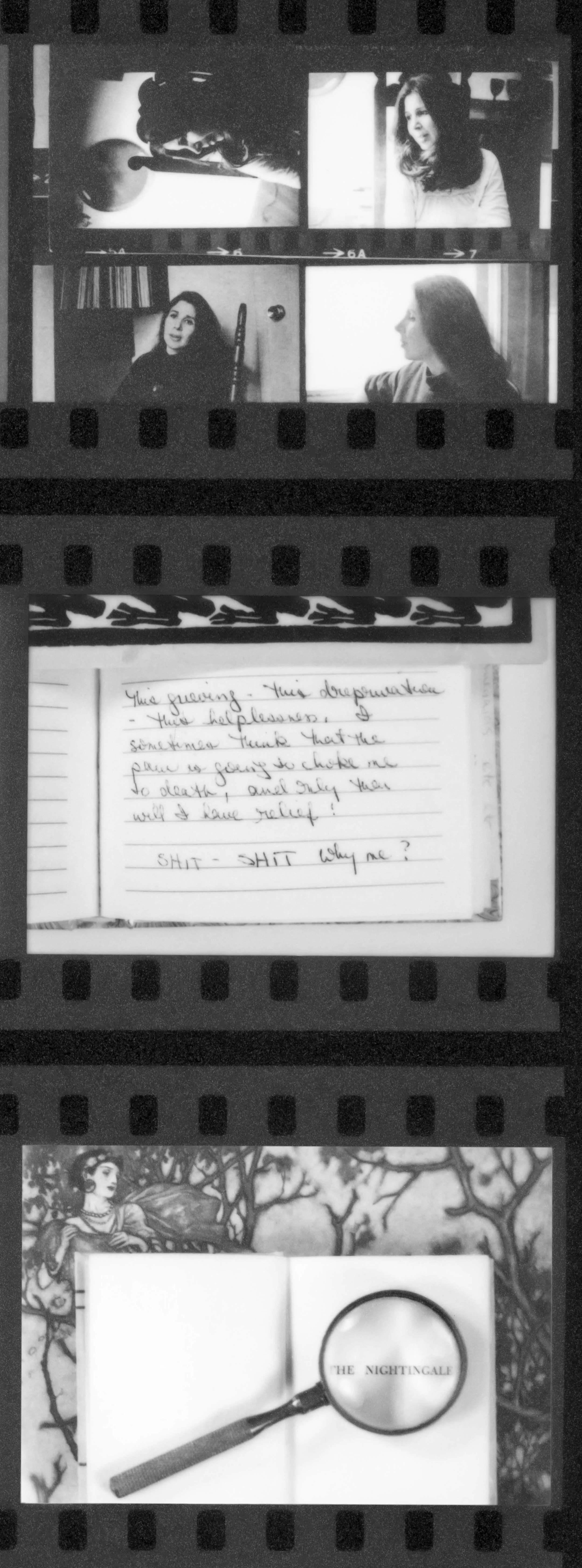
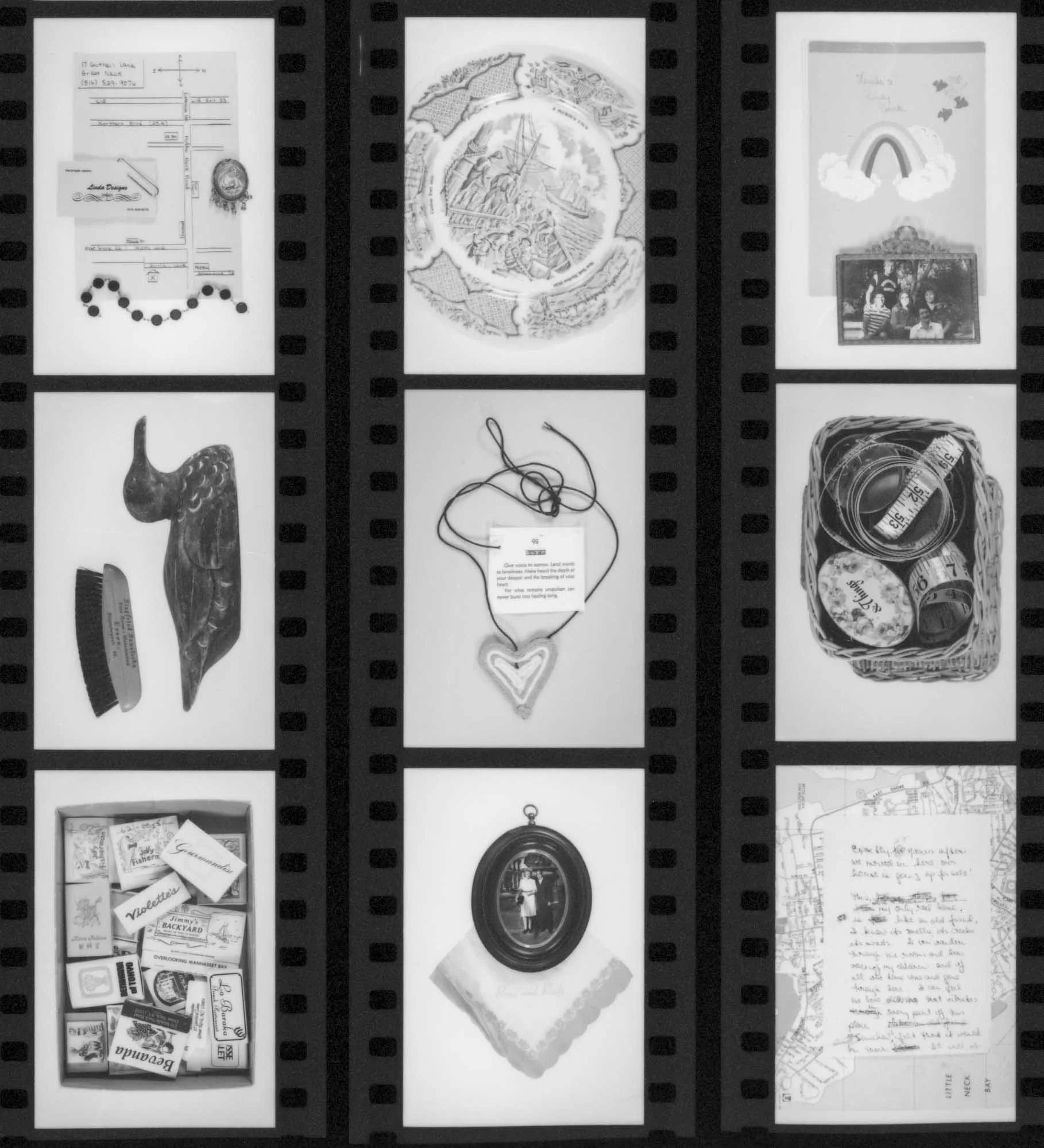
My Mother was an introvert, often sullen and aloof. My childhood memories include feeling her pervasive sadness as she sat listening to music while I played with blocks on the floor in our house in Yorktown Heights, NY before my parents divorced. Later, when we lived in Great Neck, Long Island, I would be awakened at night by her sudden screams. She raised three children, first with my narcissistic father, artist Stephen Douglas, then as a single mom, and found purpose in mothering–although its challenges pushed against her dire need for stability. Among the many folders she left in a large wicker basket was a trove of her original poems. Loneliness, pain, and death are common themes. In her journals, she grappled with the loss of her cherished father and with feelings of alienation. The death of my younger brother Gavin in 2017 was a devastation from which she never fully recovered.
Despite her deep traumas, my mother was profoundly grateful for her life and held a sense of optimism, if tightly clenched. Her experience in the Holocaust gave her a vast sense of empathy. She was a humanist who felt solidarity with all people struggling for civil liberties and with those suffering violence. My mother rarely spoke of her childhood. She identified with being Jewish, yet she was not religious and preferred to keep her storied past hidden. It was only after she died that I discovered the frayed yellow Star of David, that she must have worn during the war, in a bundle of notes and memorabilia.
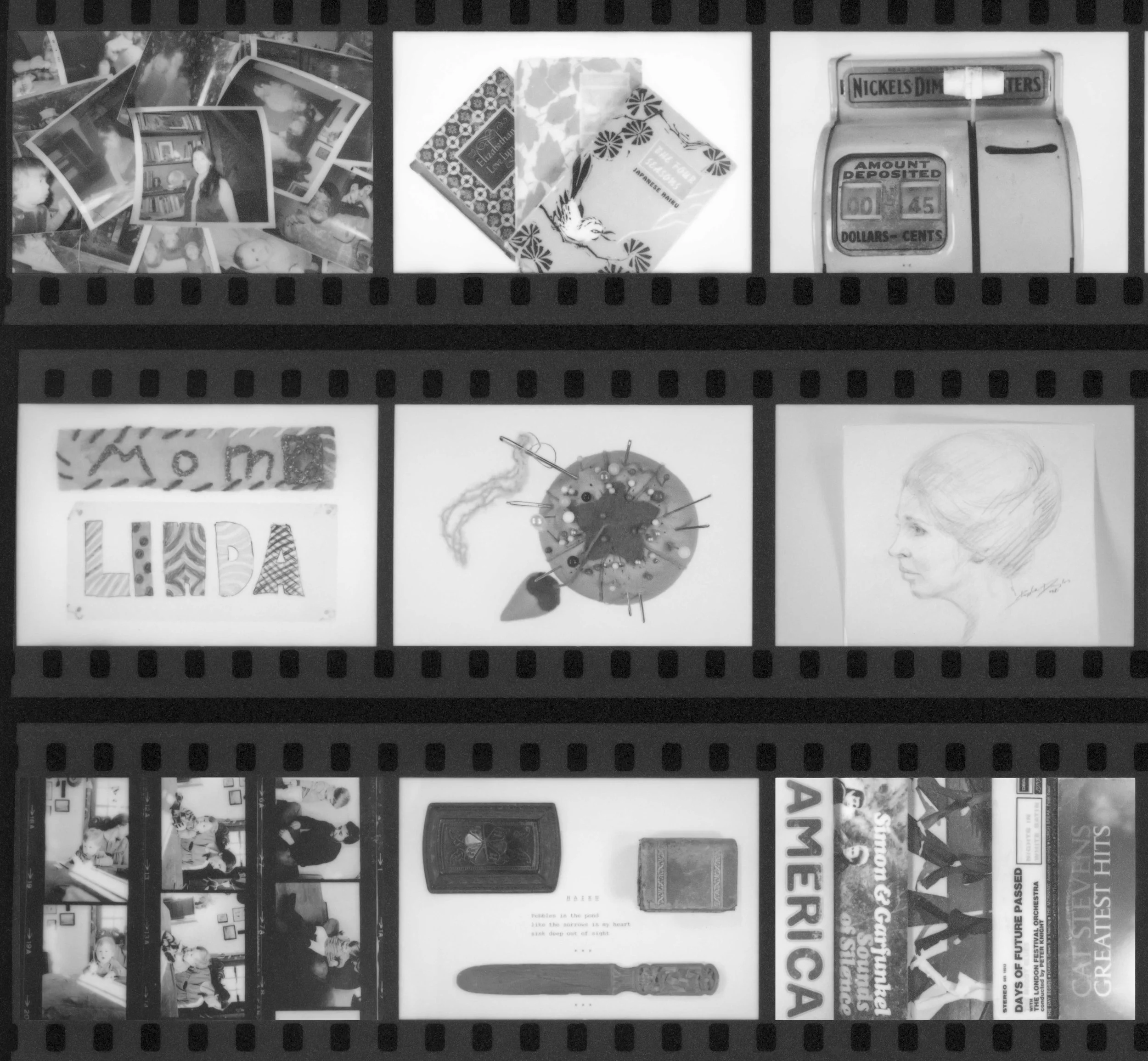
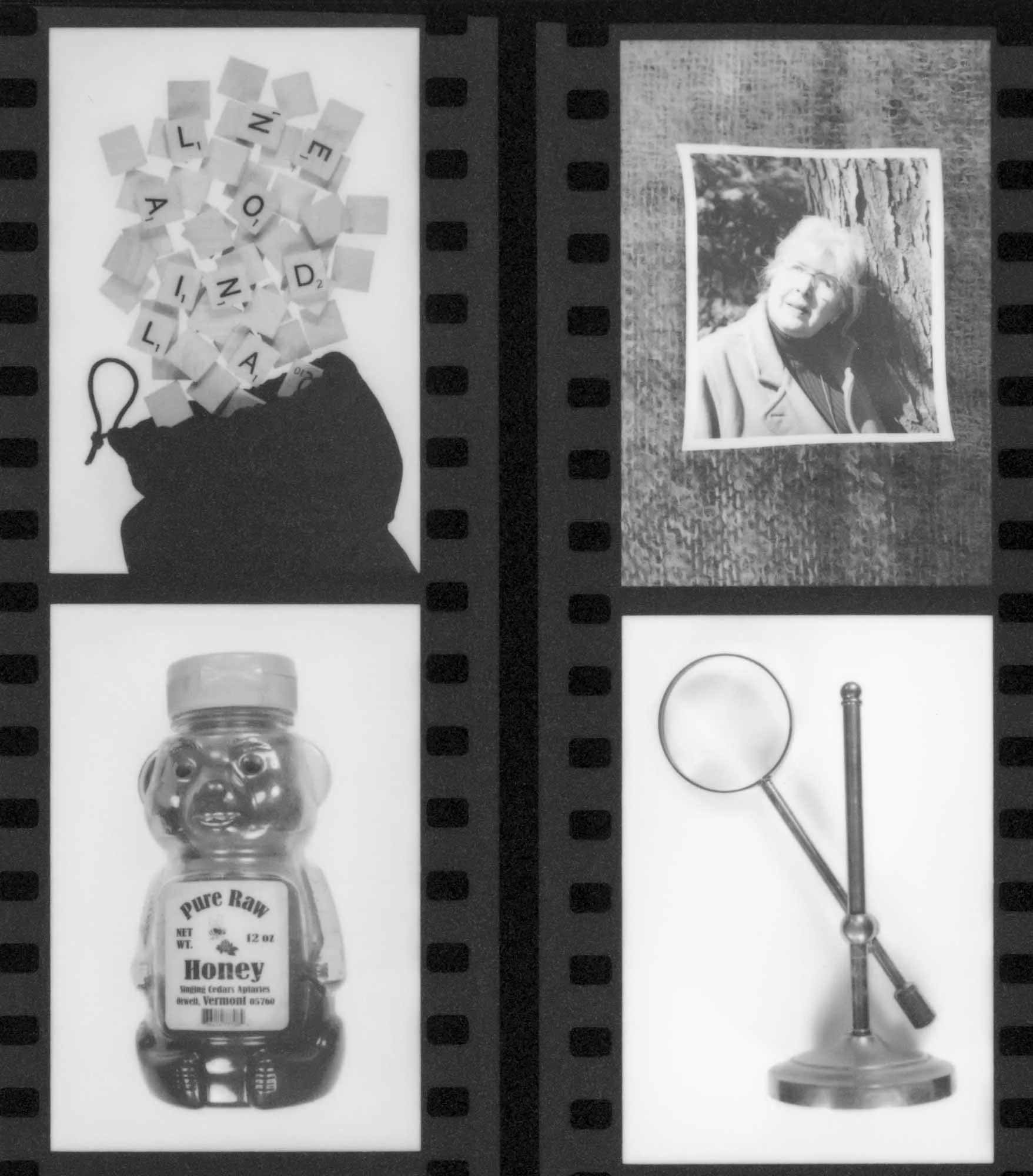
For the exhibition, I wanted to reveal my mother’s pain, with her own words, with photographs and symbolic items, along with things that reflected her appreciation of this world and its beauty. The butterfly, with its song of transformation, and the elephant’s memory and steadfastness, were touchstones.
The Contact Grids were produced by shooting black-and-white film, scanning analog contact sheets, and cropping the digital files into combinations of frames. In presenting multiple shots at once, the grids allow contexts to widen beyond the scope of a single frame. I innovated this photographic format in 2022 with the series, “My Father’s Things”.
Creating “Things of My Mother” was a cathartic process, through which I gained a fuller understanding of my emotionally wounded mother. As I held her possessions, wept over war documents and the vulnerabilities in her poems and scribbled reflections, I found insights into her life, and into my own grief–felt since childhood, before I knew who my mother was.
Click HERE to read the Seven Days art review of Do We Say Goodbye? Grief, Loss, and Mourning