Basin Street
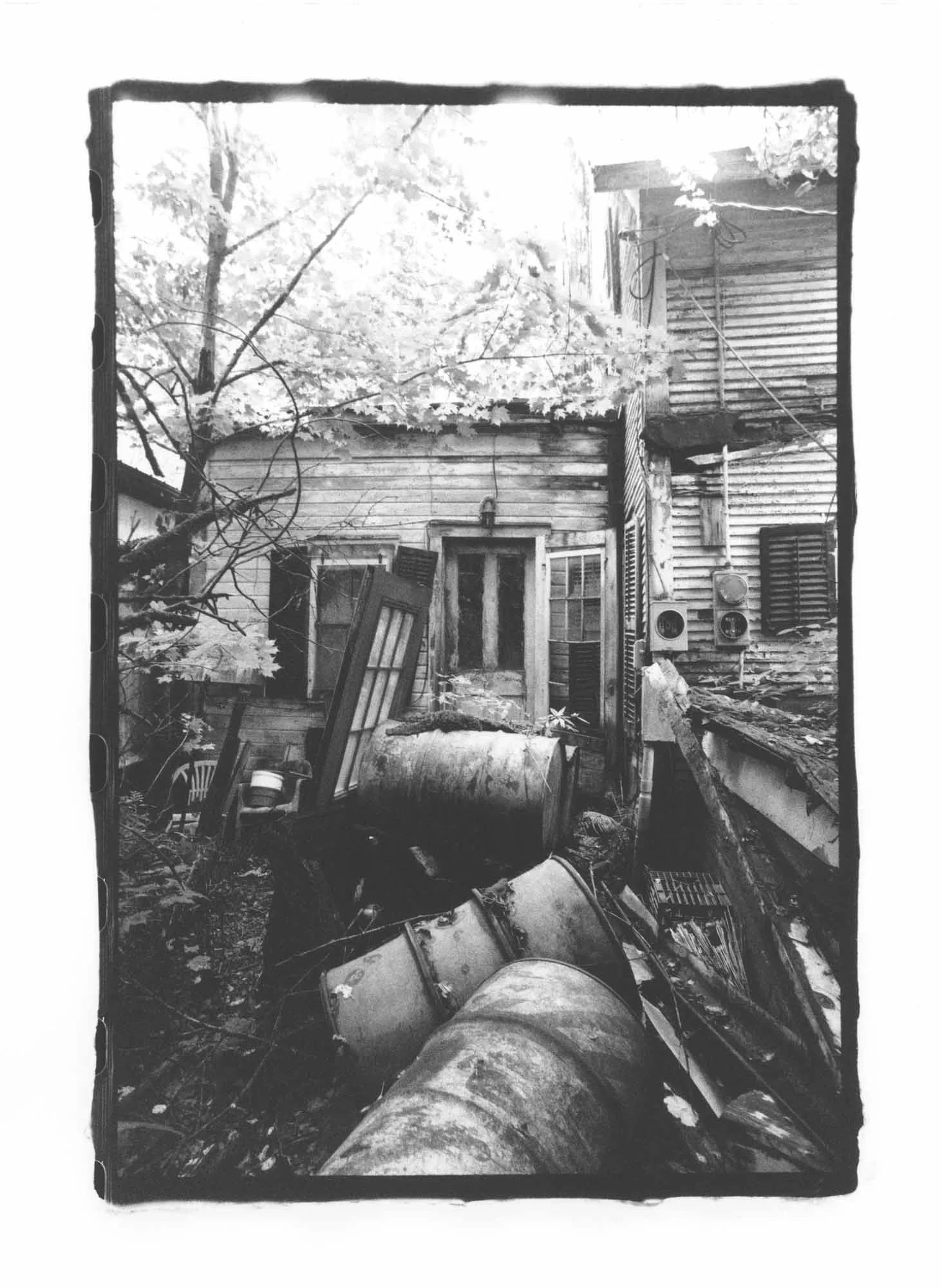
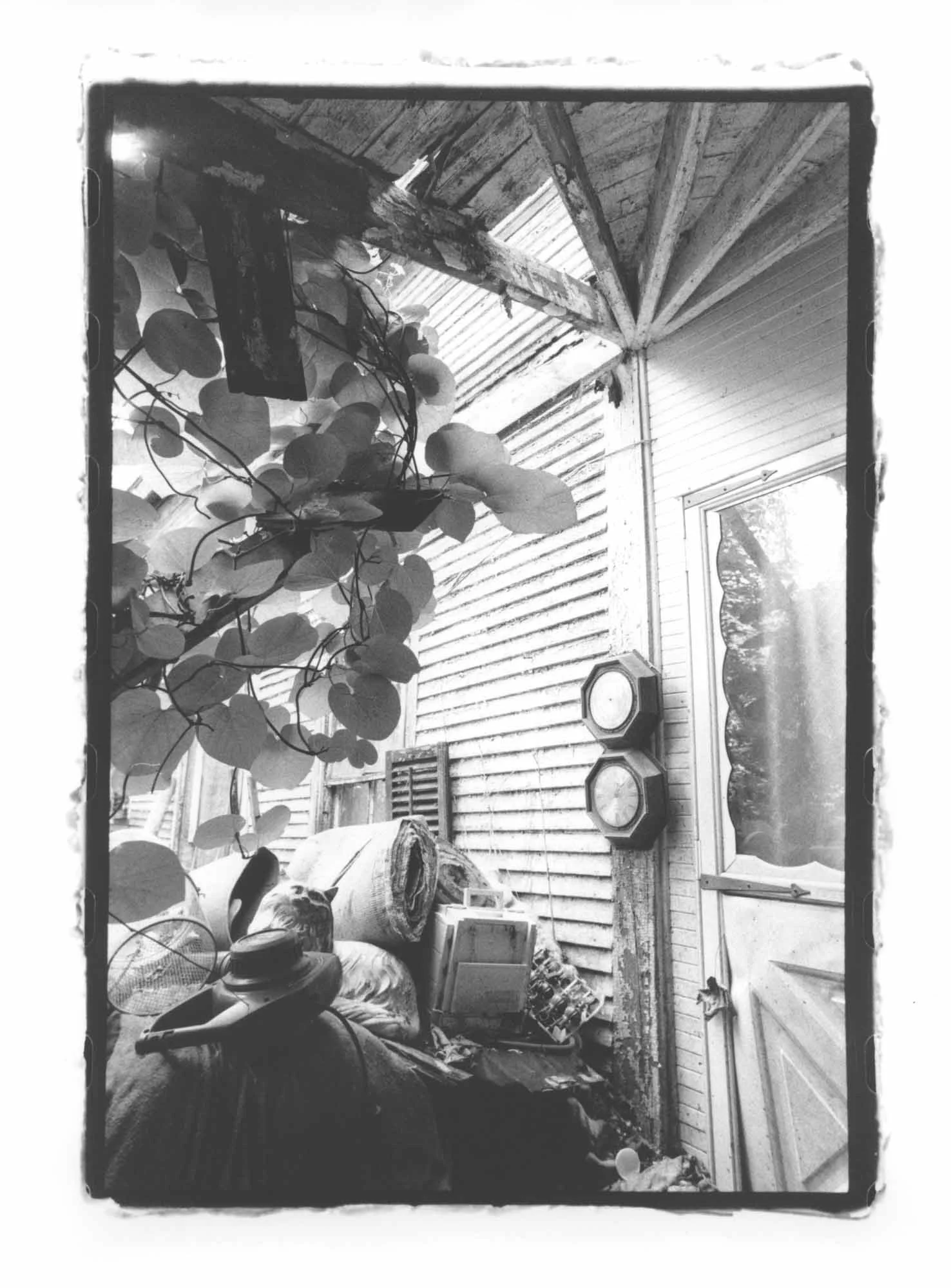
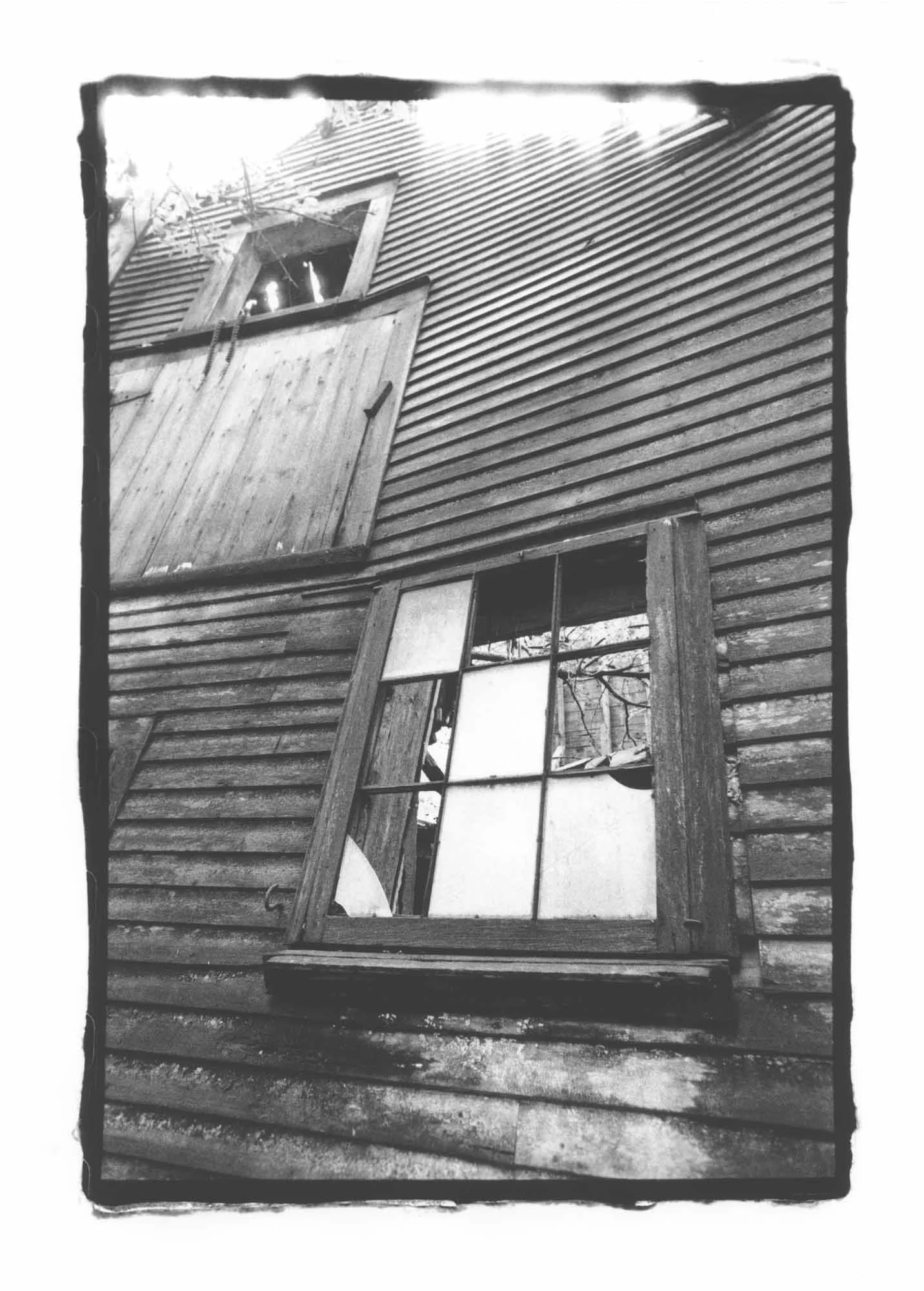
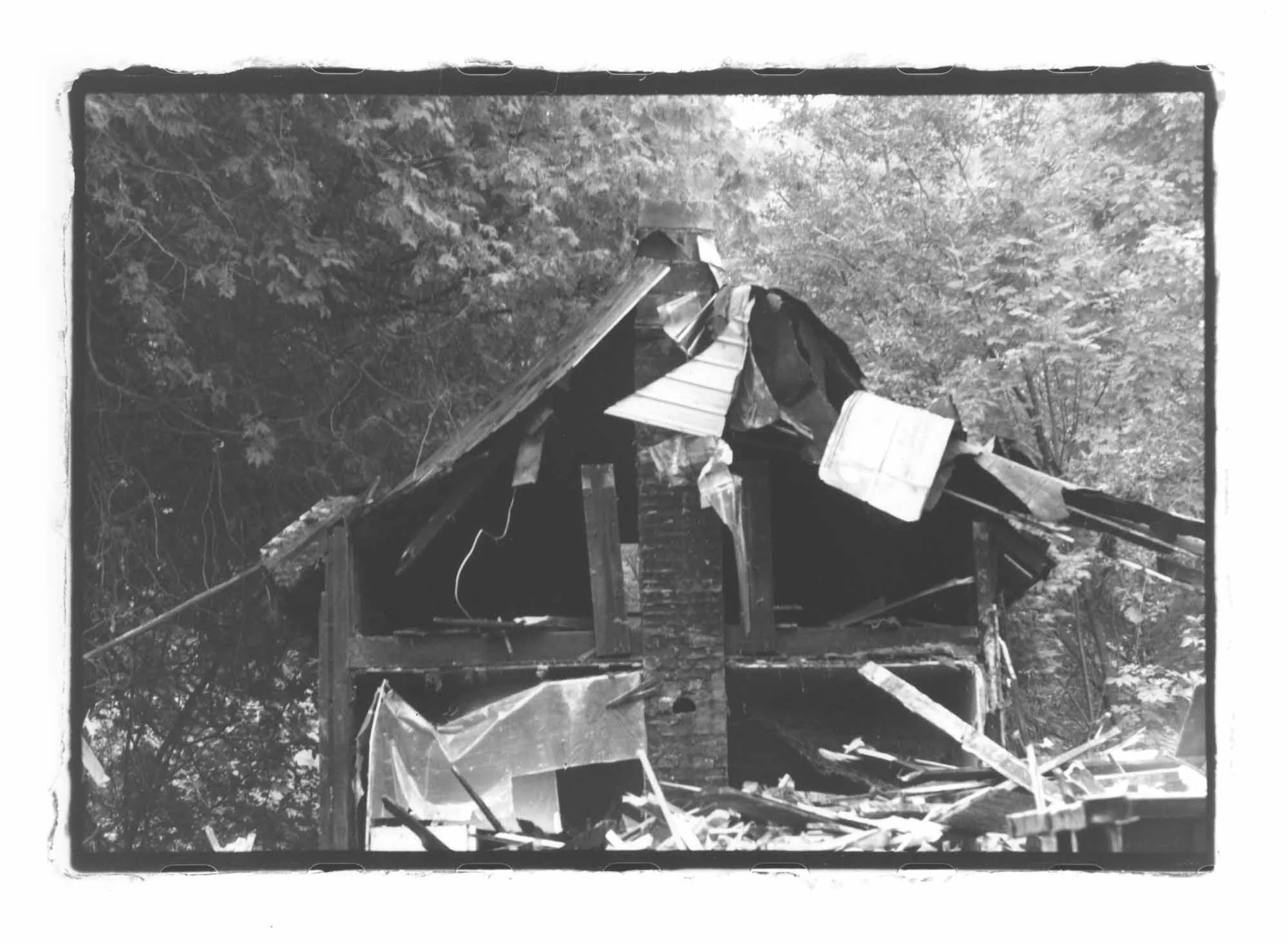
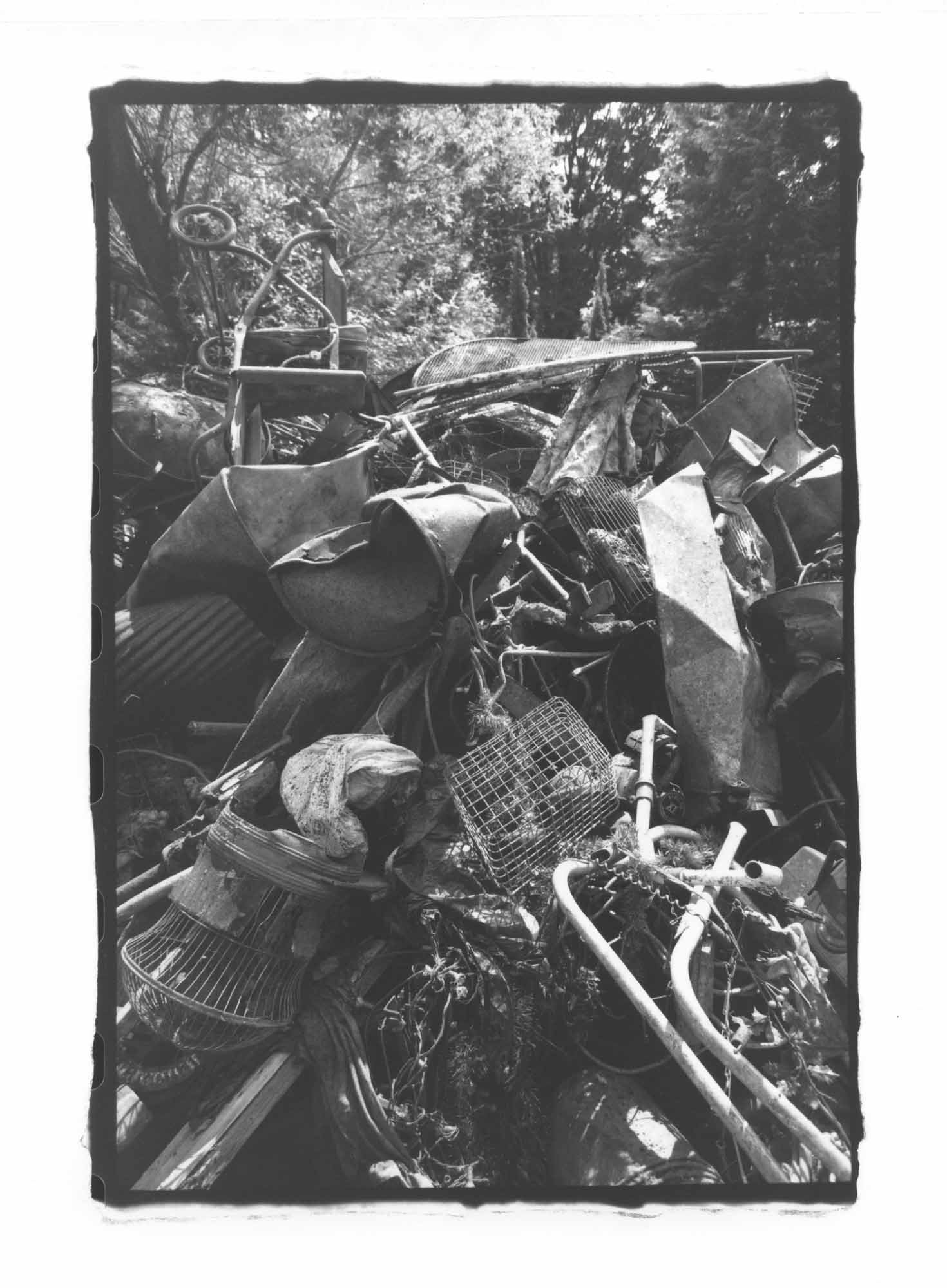
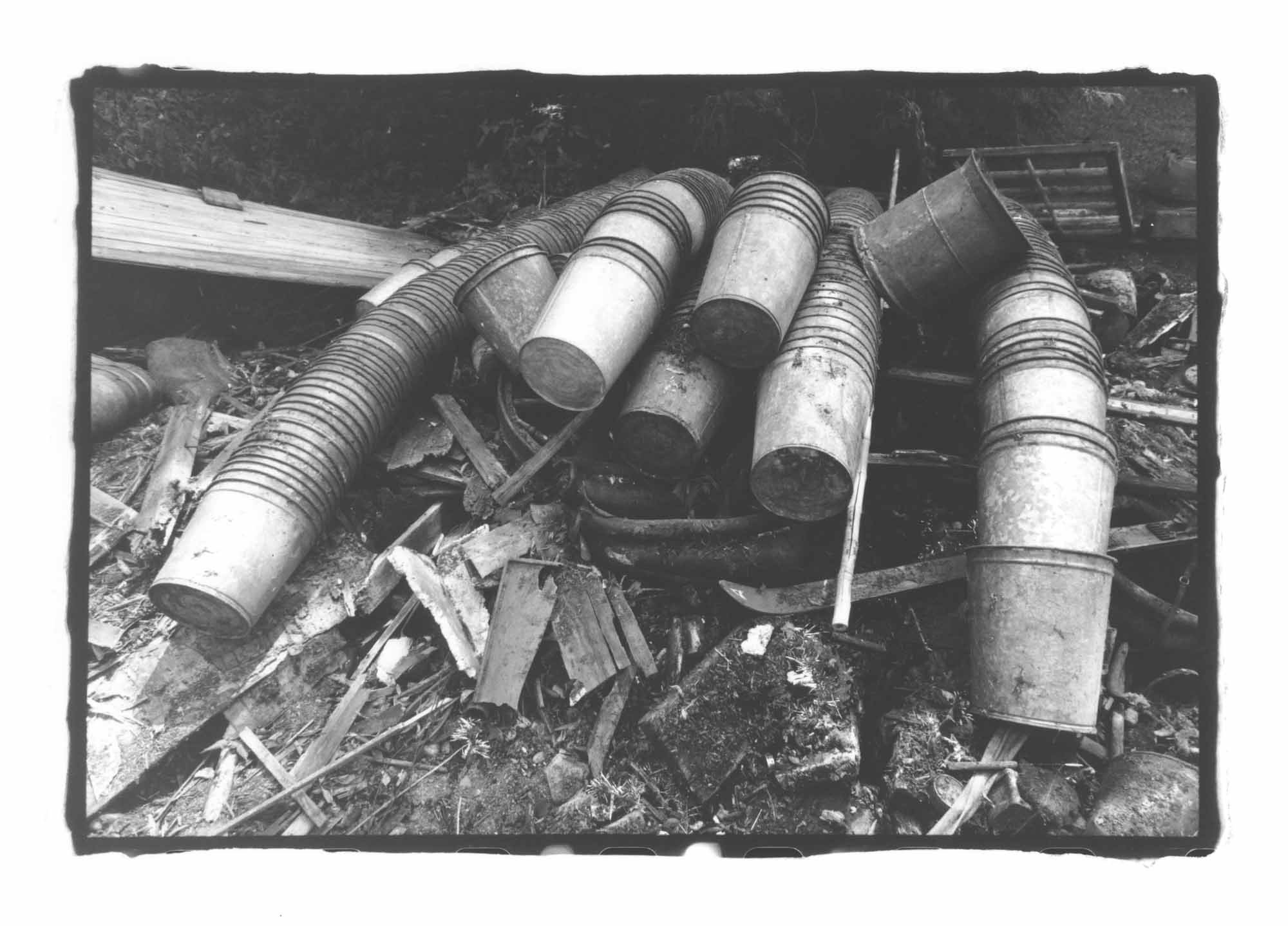
In July 2024, I purchased a small piece of property in Bristol, Vermont that included a condemned house, a dilapidated barn, and a tool shed. Elderly sisters, Olive and Marie, were the last people to live there, 10 years before, inhabiting a trailer with more than 20 cats. They were hoarders who filled every available space inside the structures and among the weeds and briars.
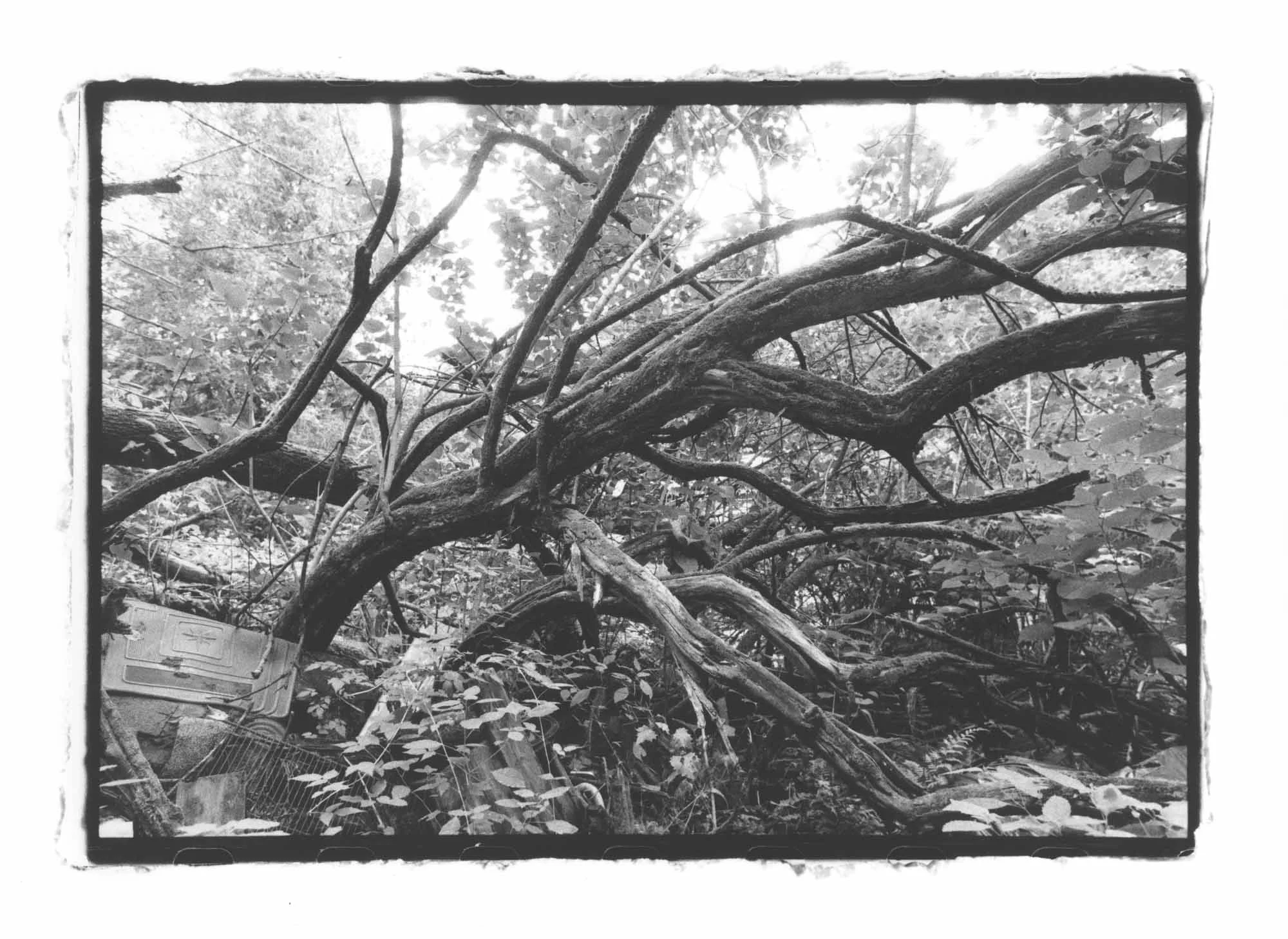
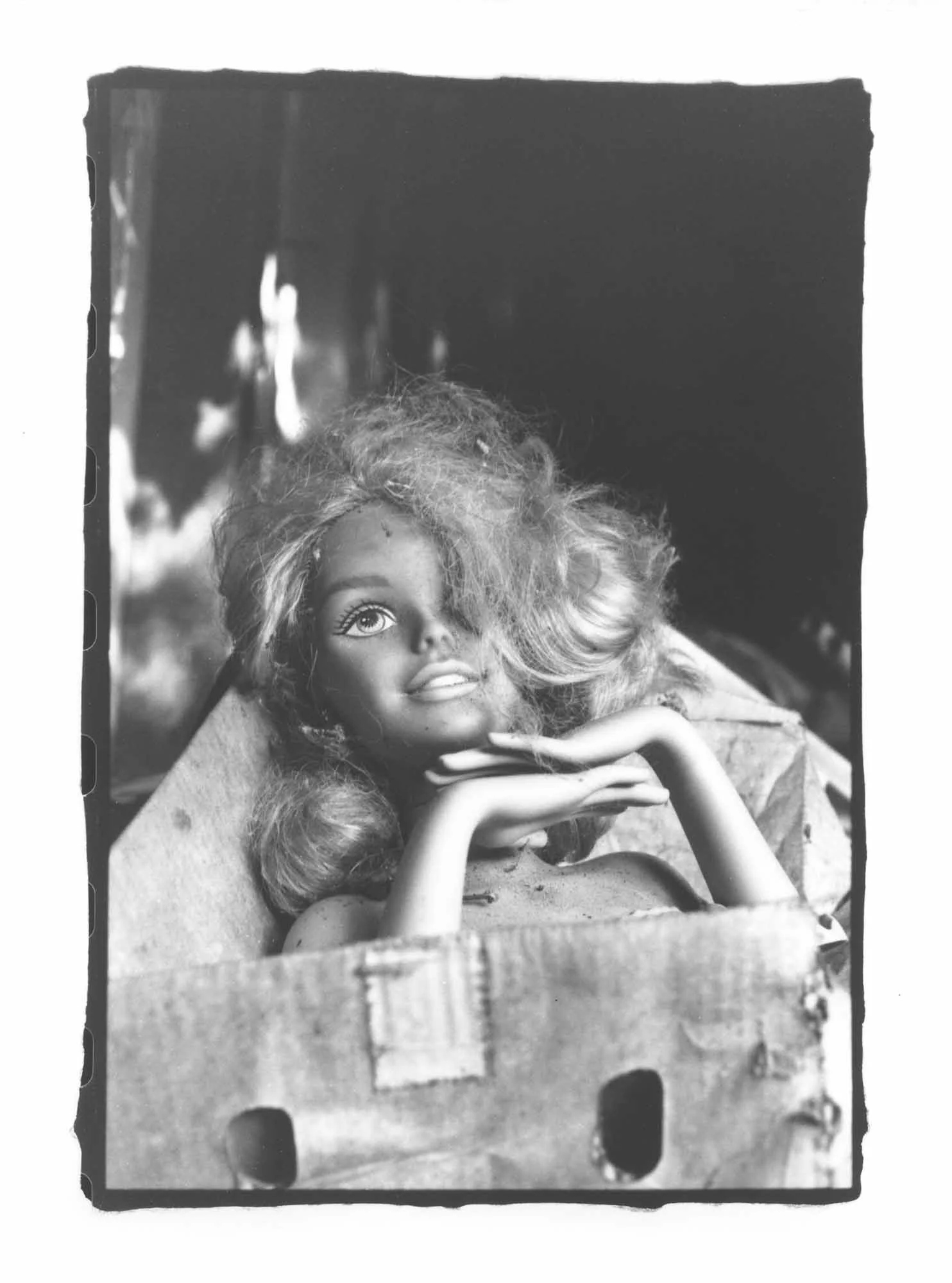
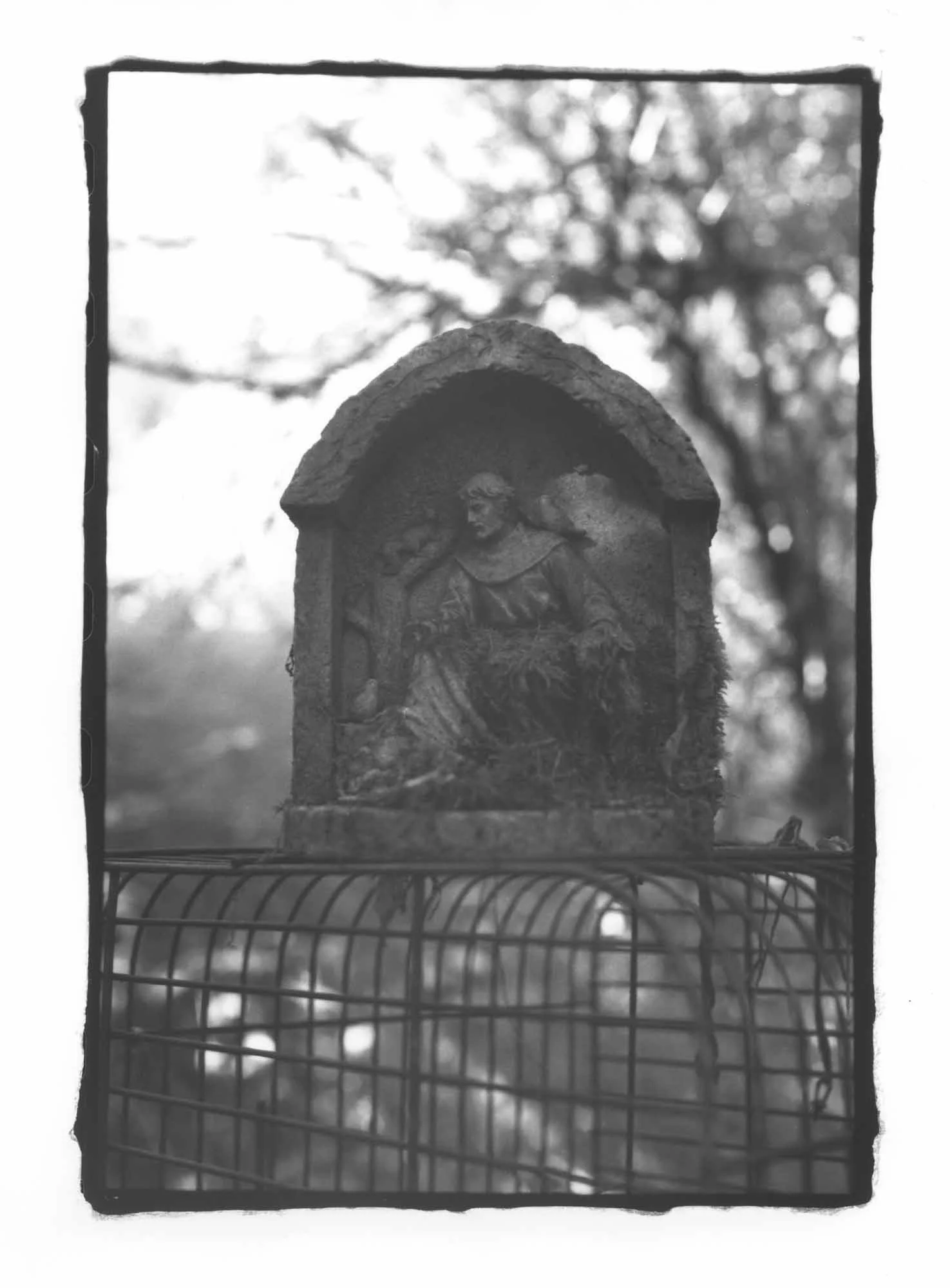
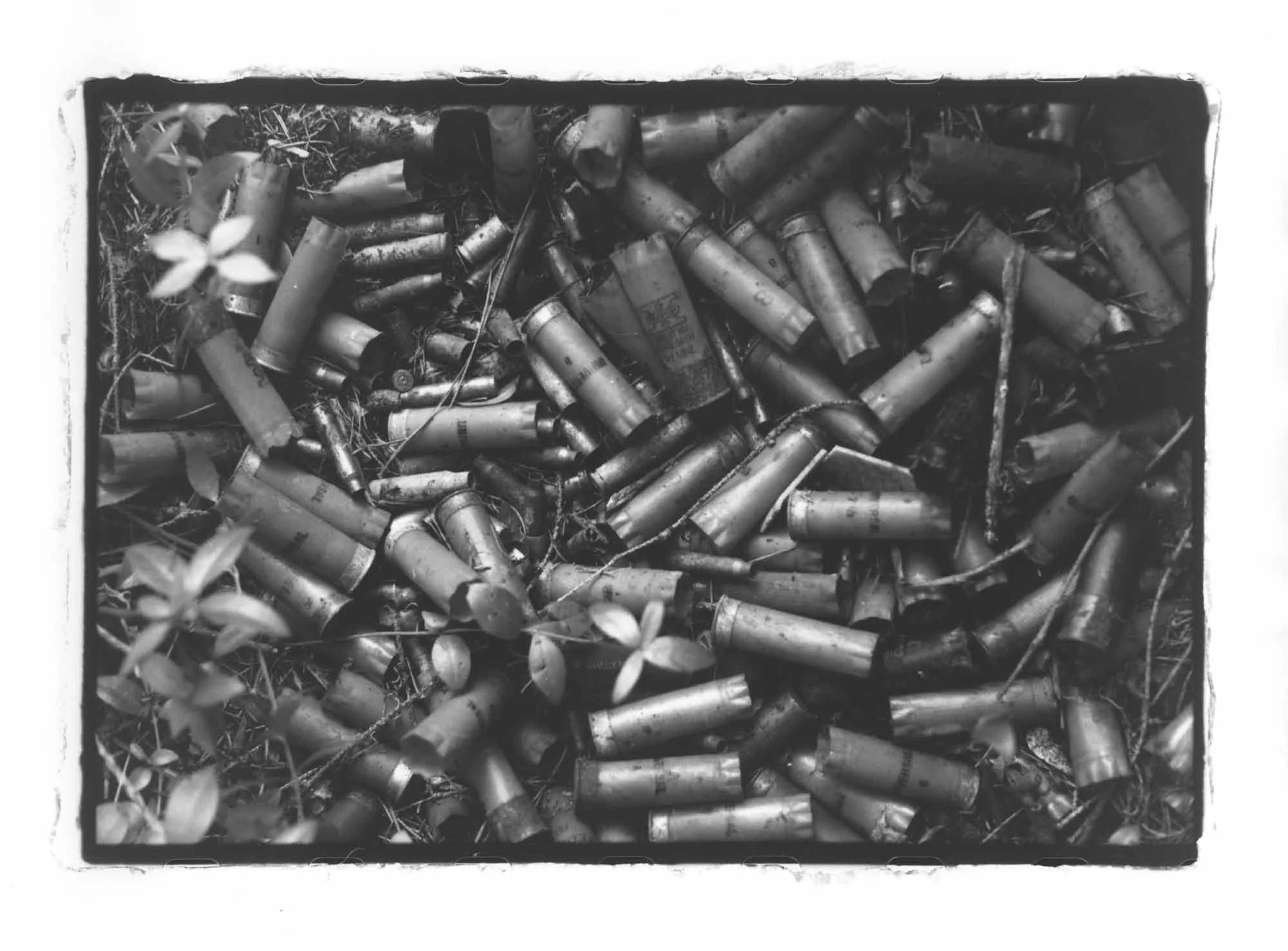
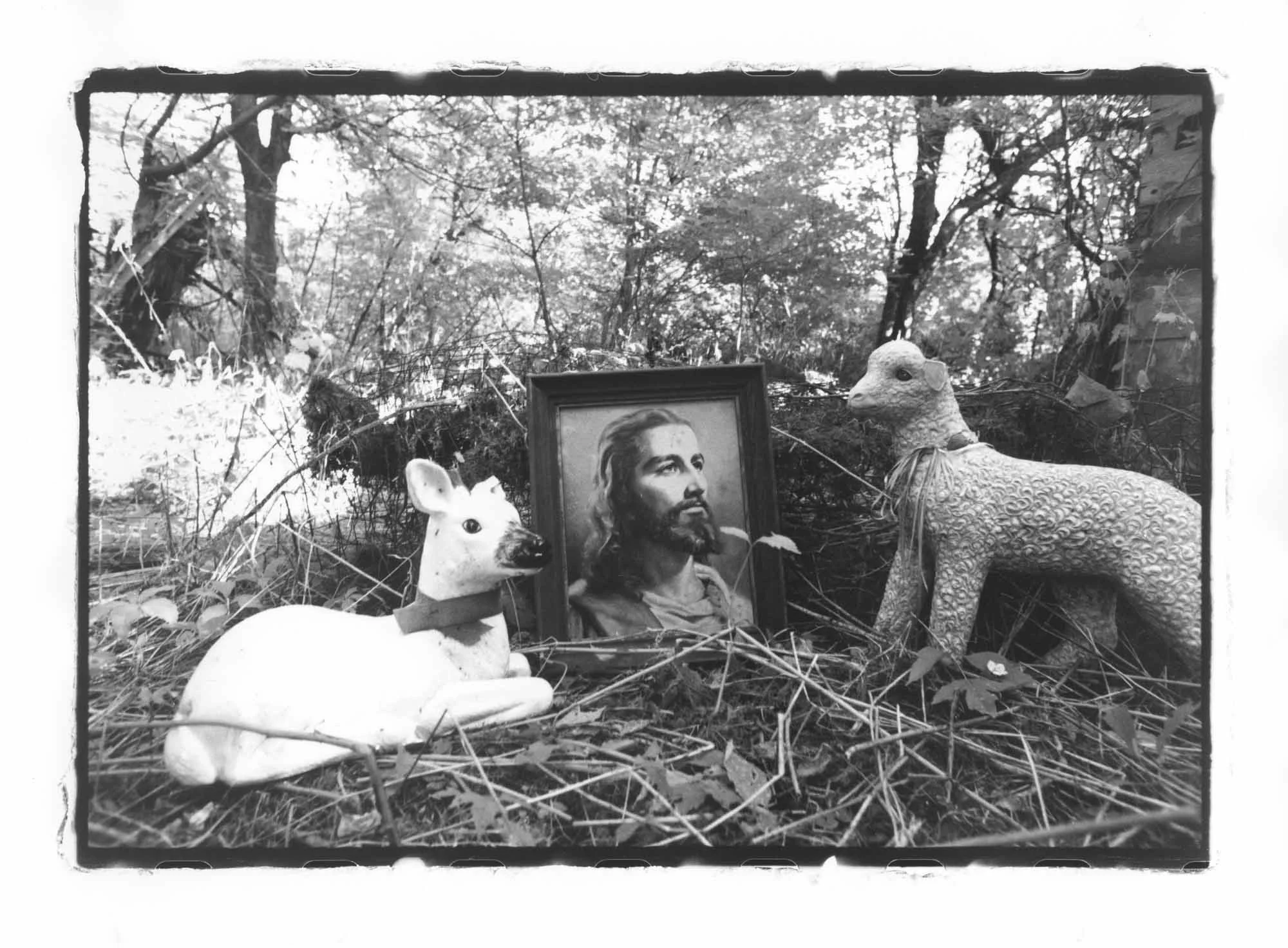
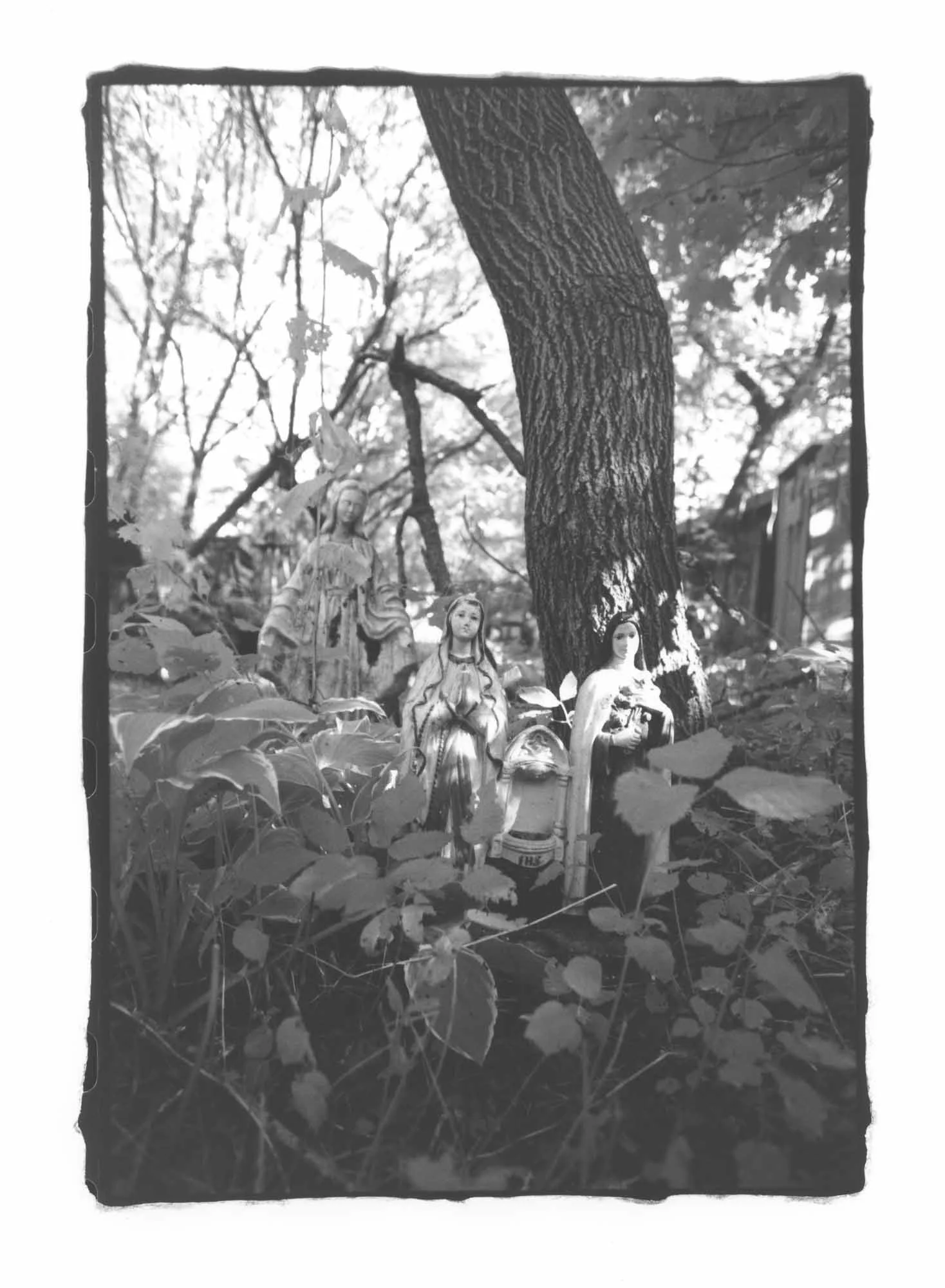
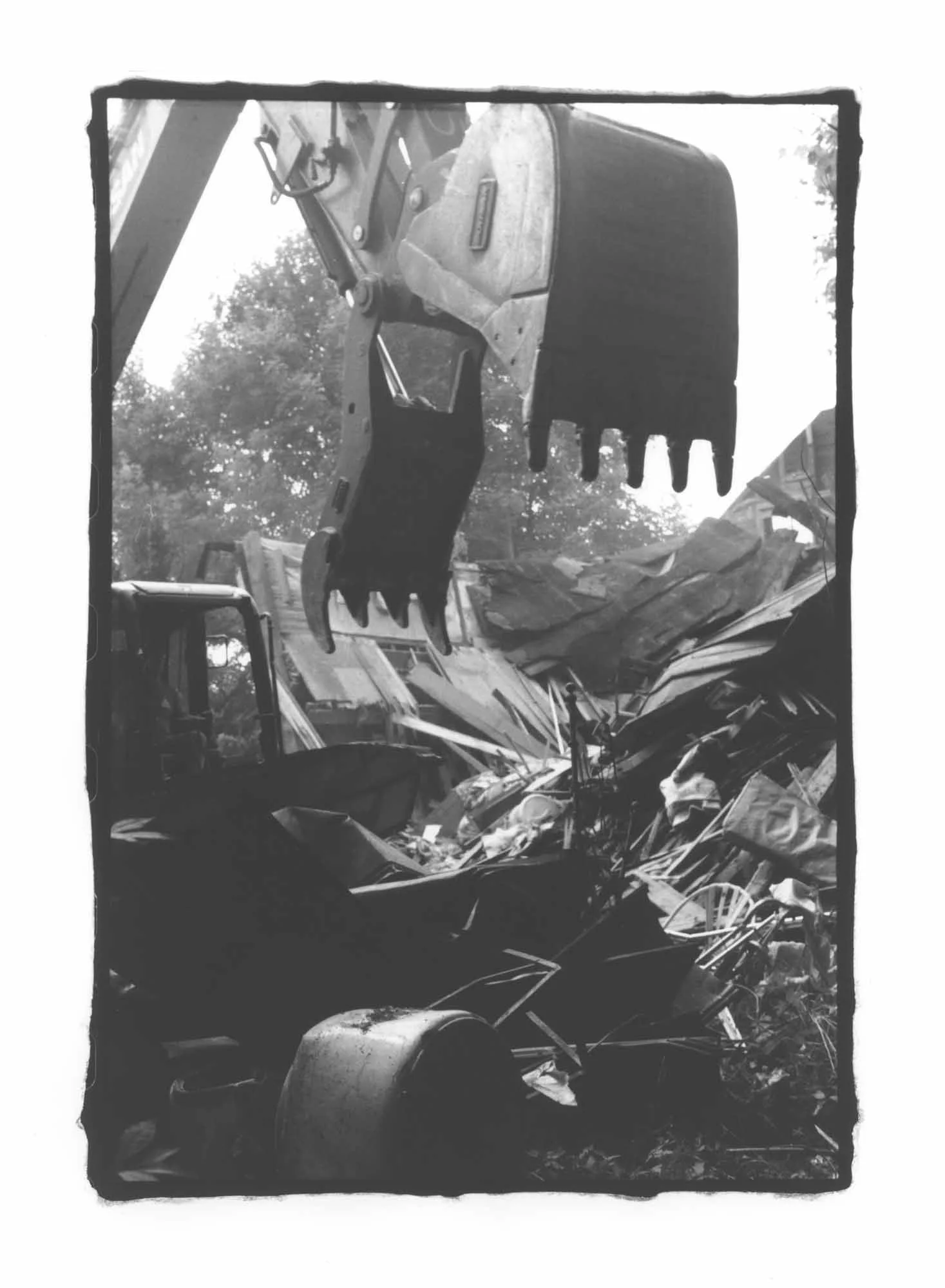
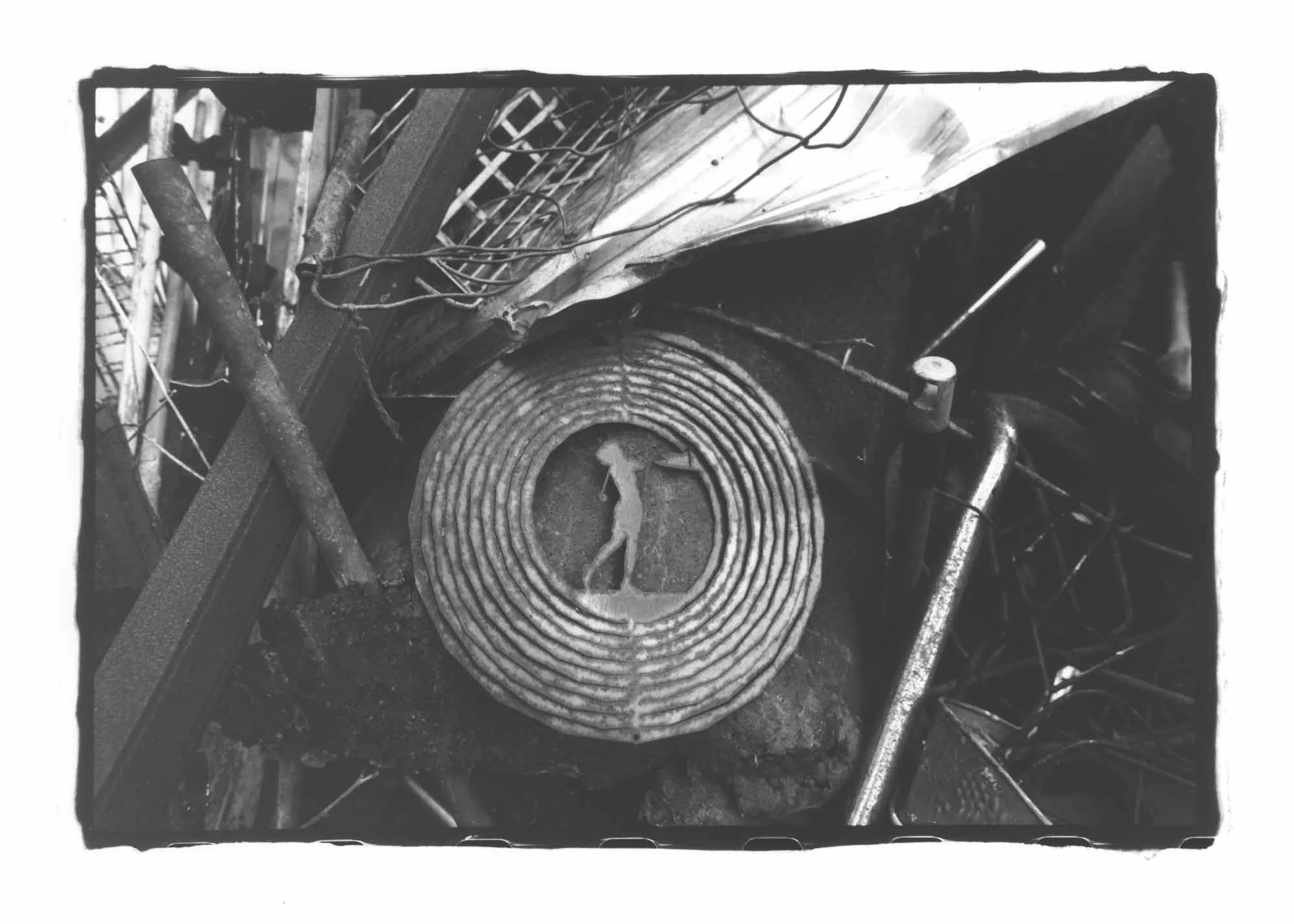
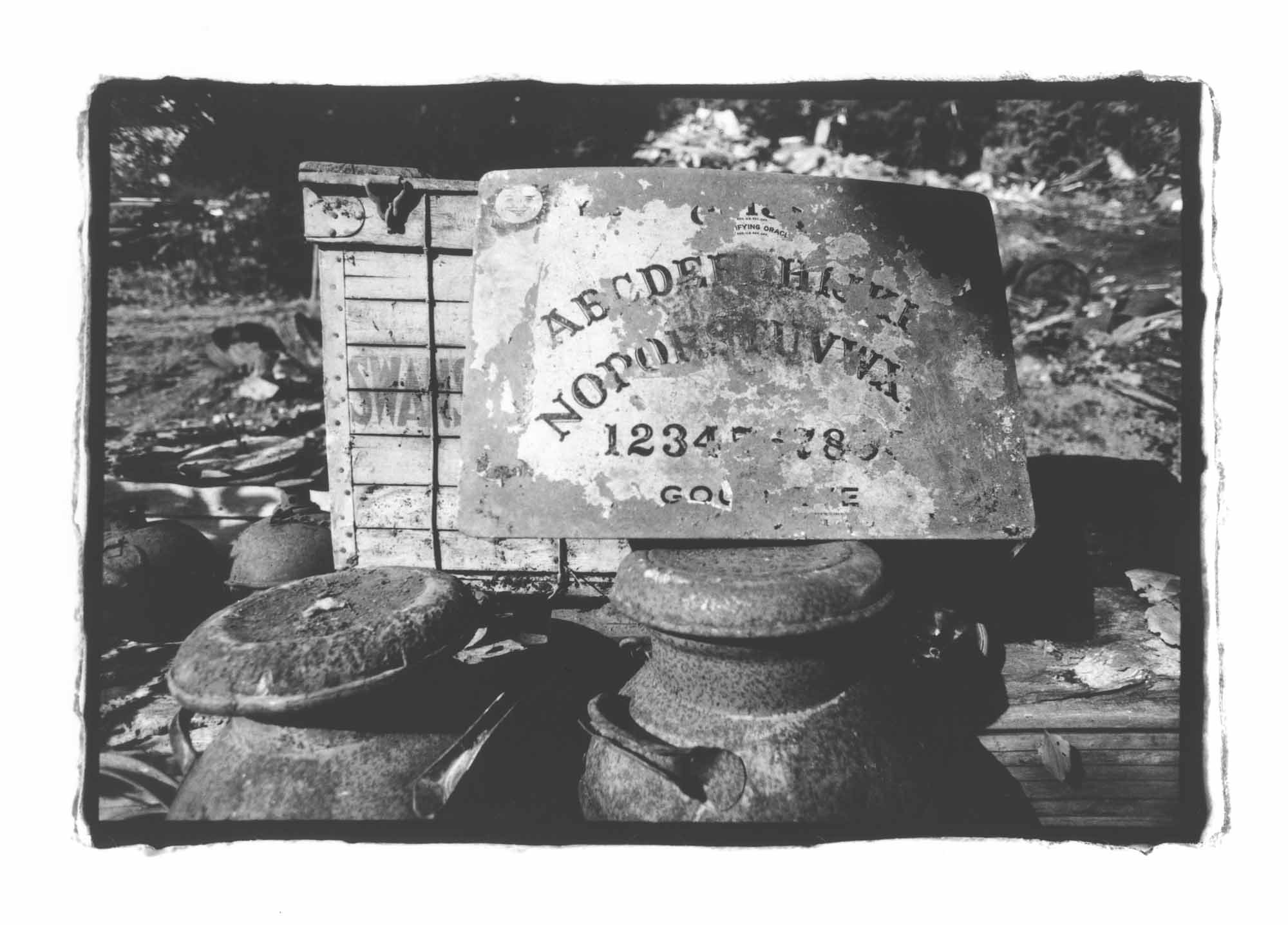
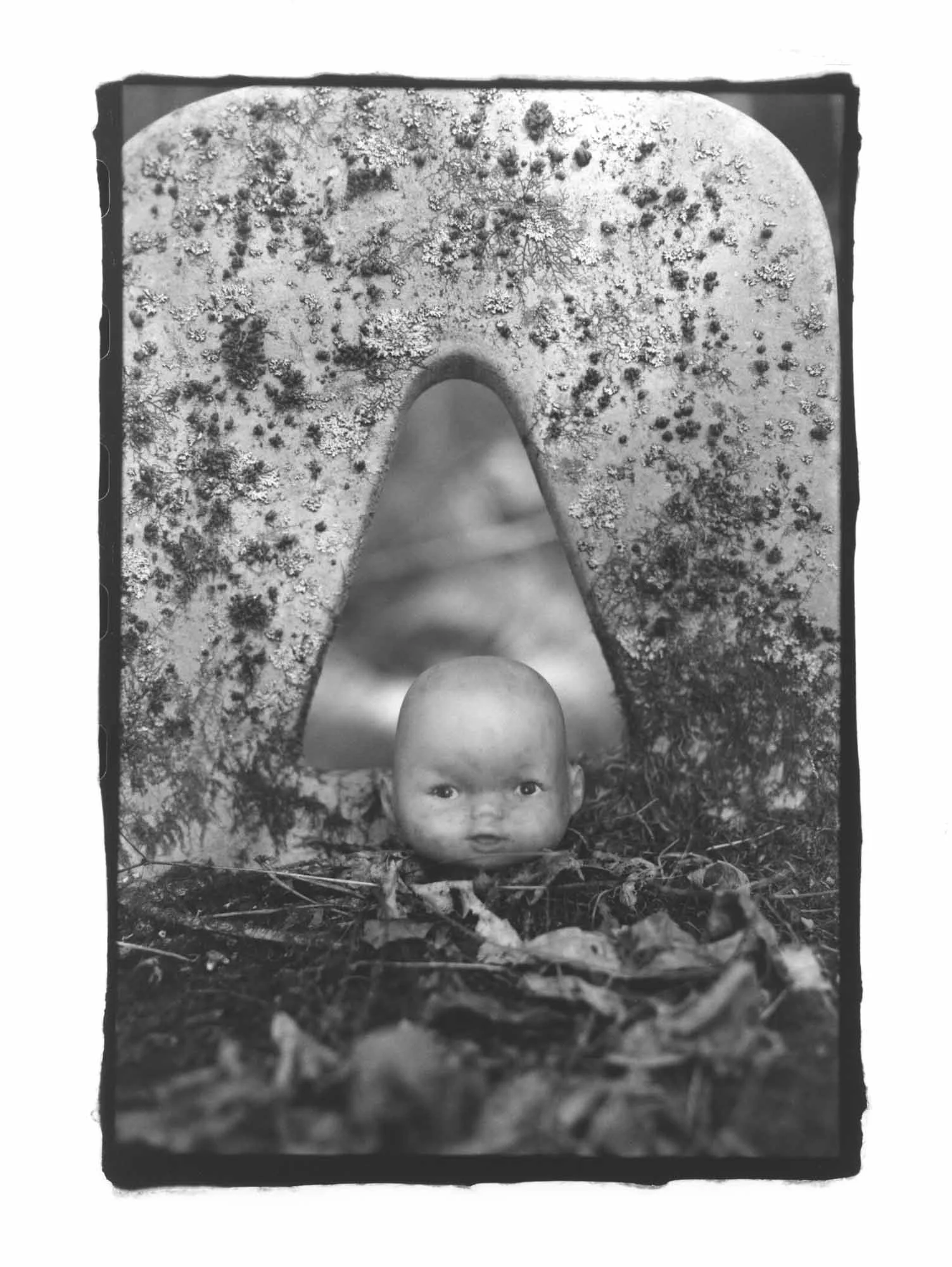
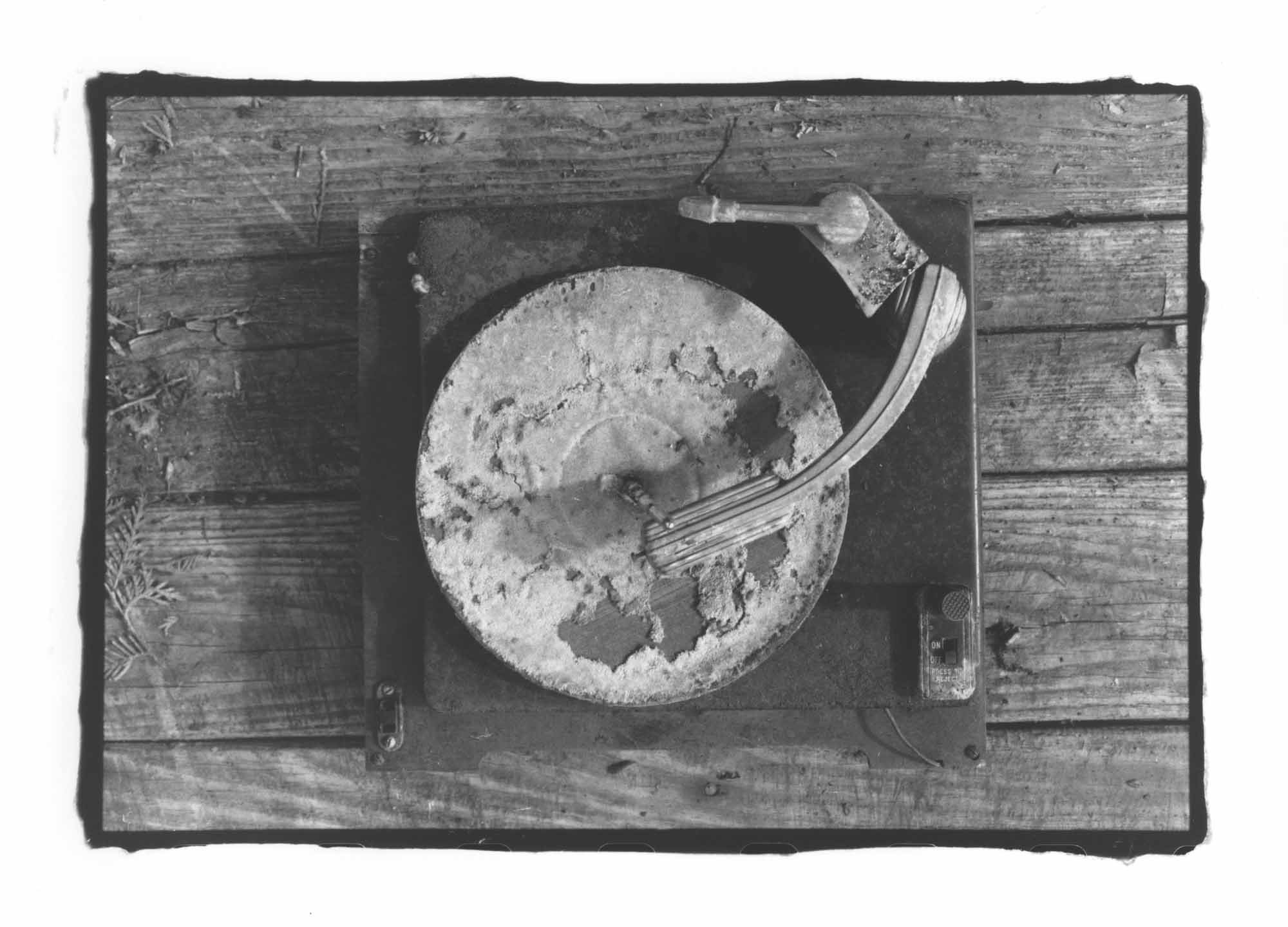
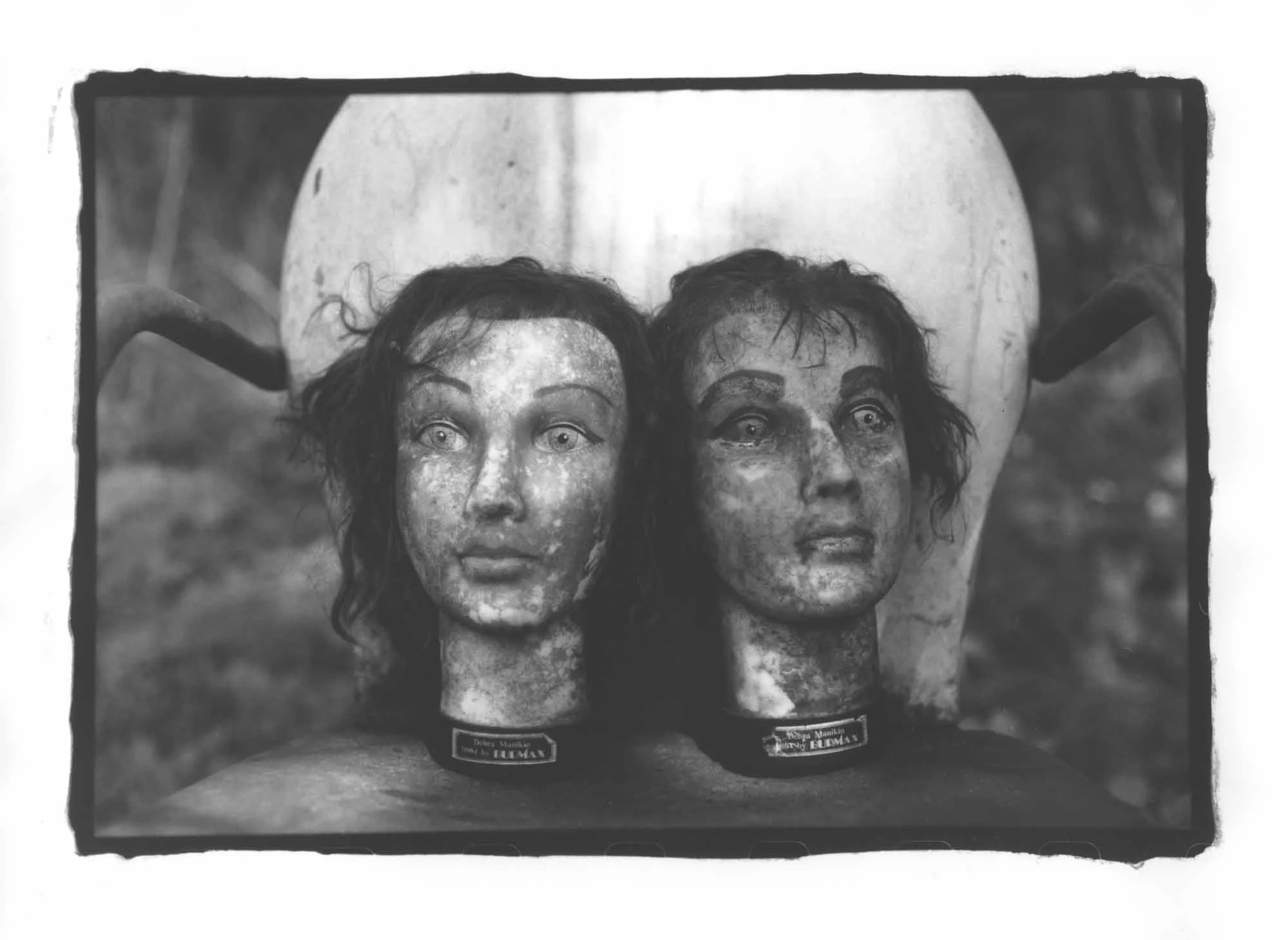
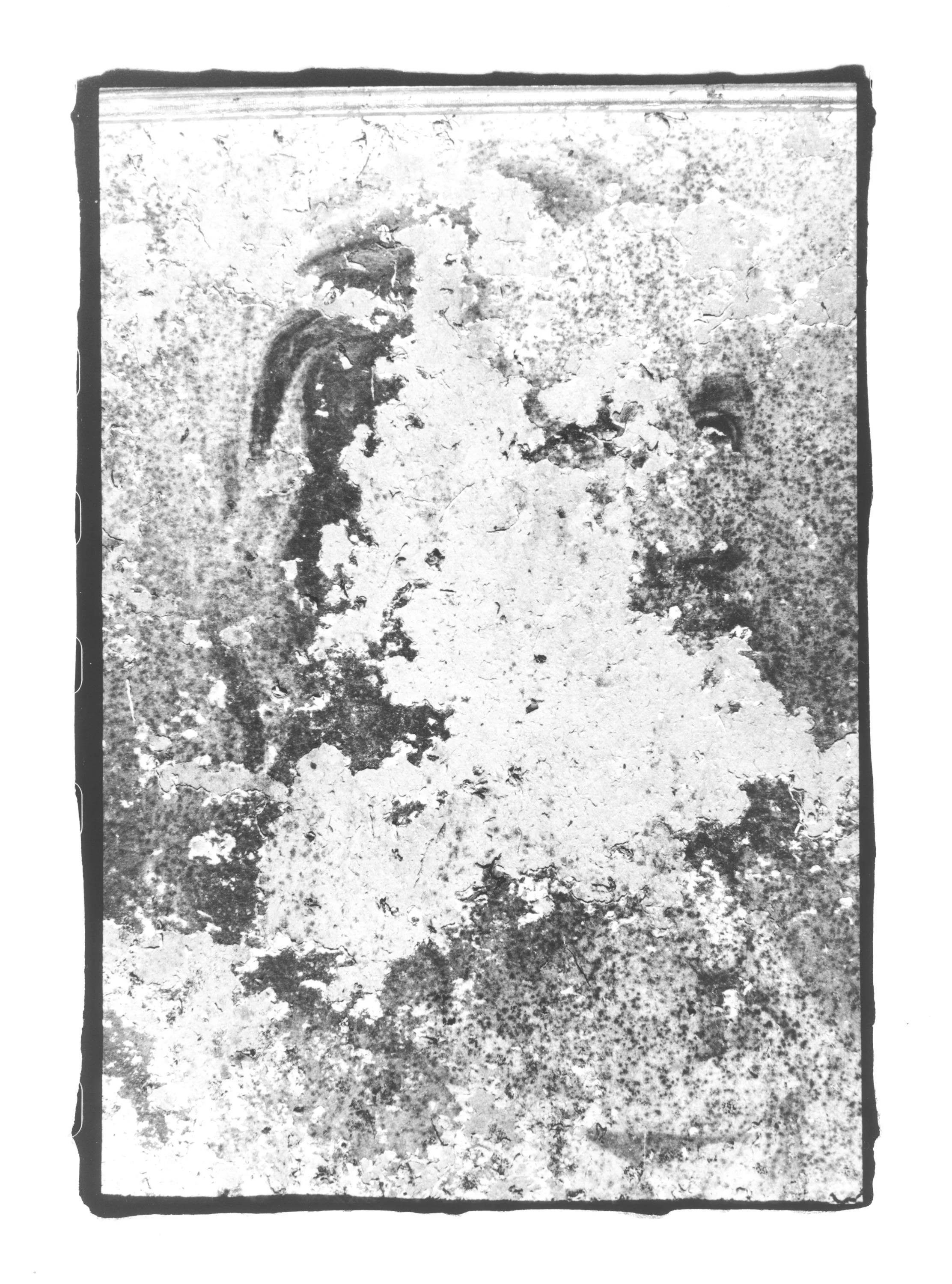
I spent a couple of weeks carving paths through the overgrowth, gathering trash, and compiling scrap metal. Then, within hours, an excavator took down the buildings that had stood for well over a century, as well as most of the trees, clearing space for me to rebuild. Throughout the transformation, I shot black-and-white film to capture the vignettes of the fading history and its vestiges.
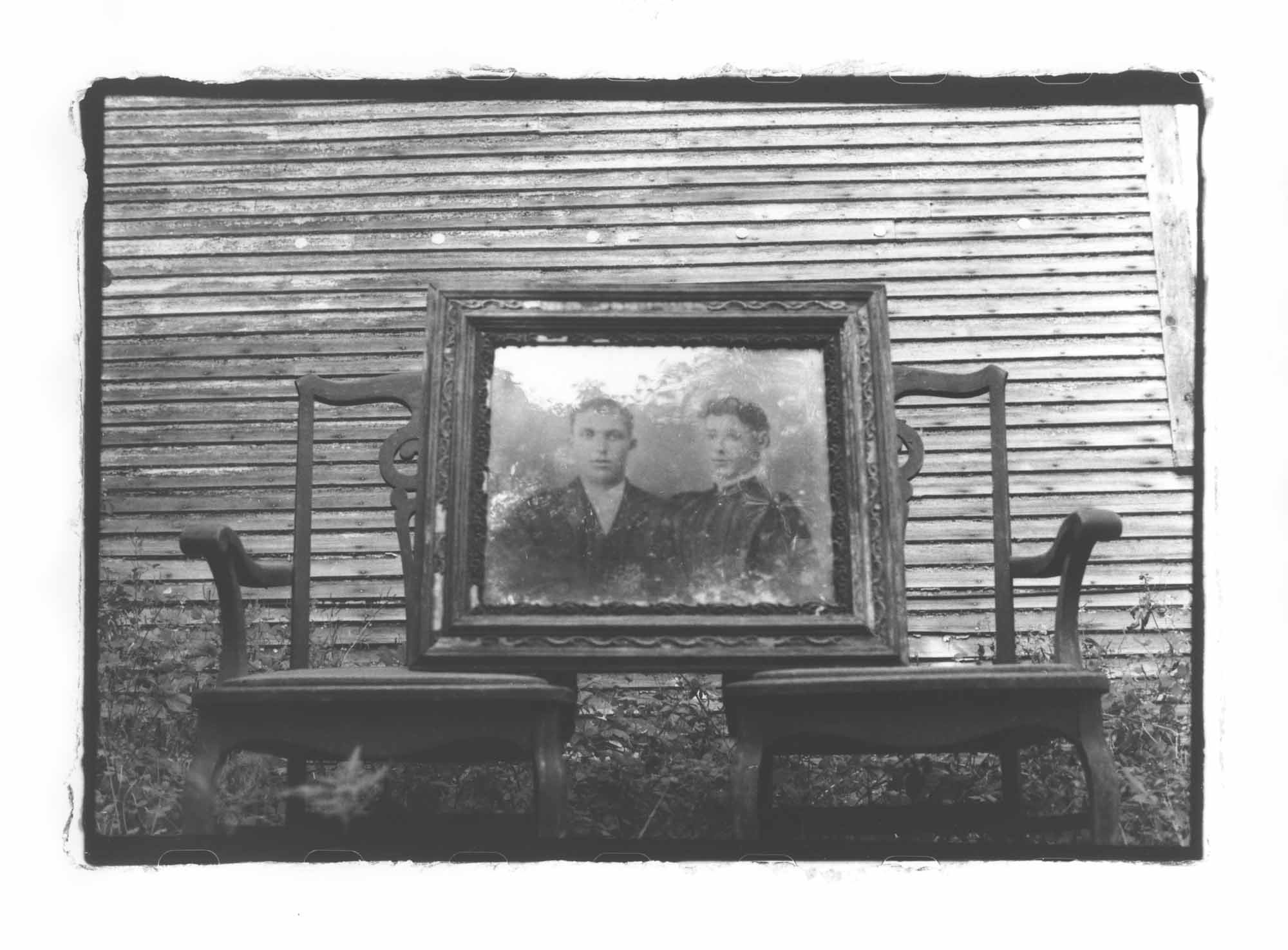
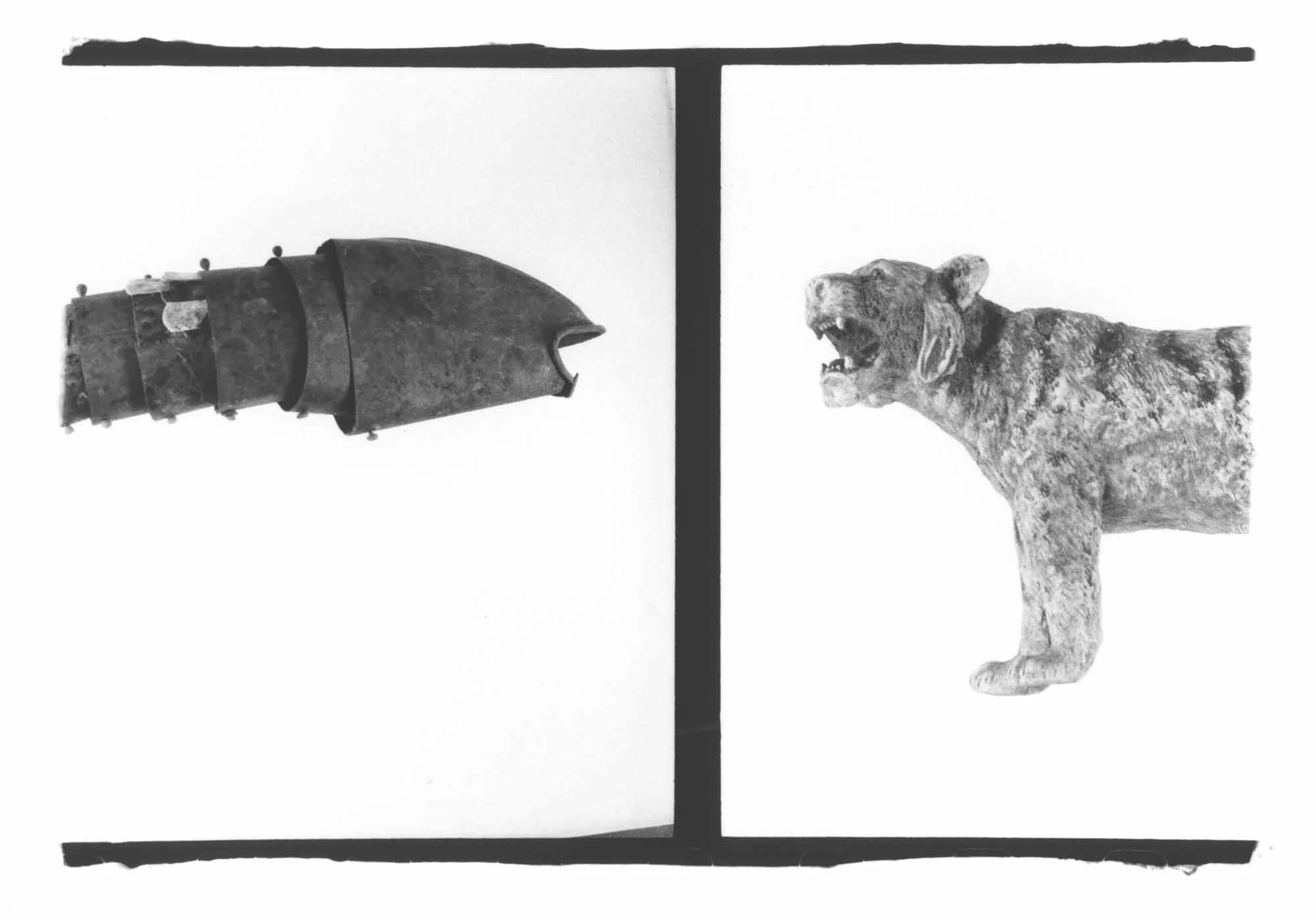
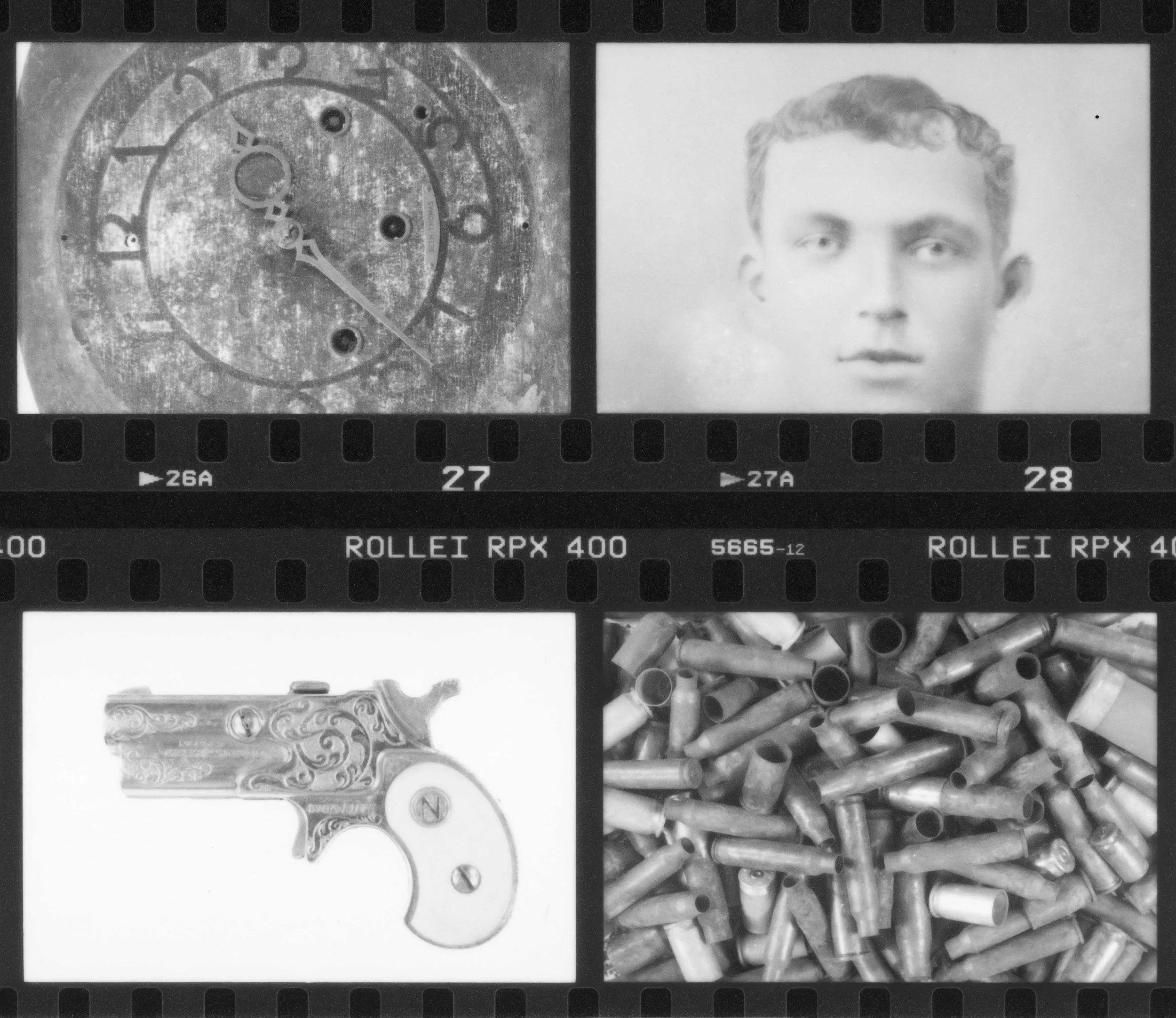
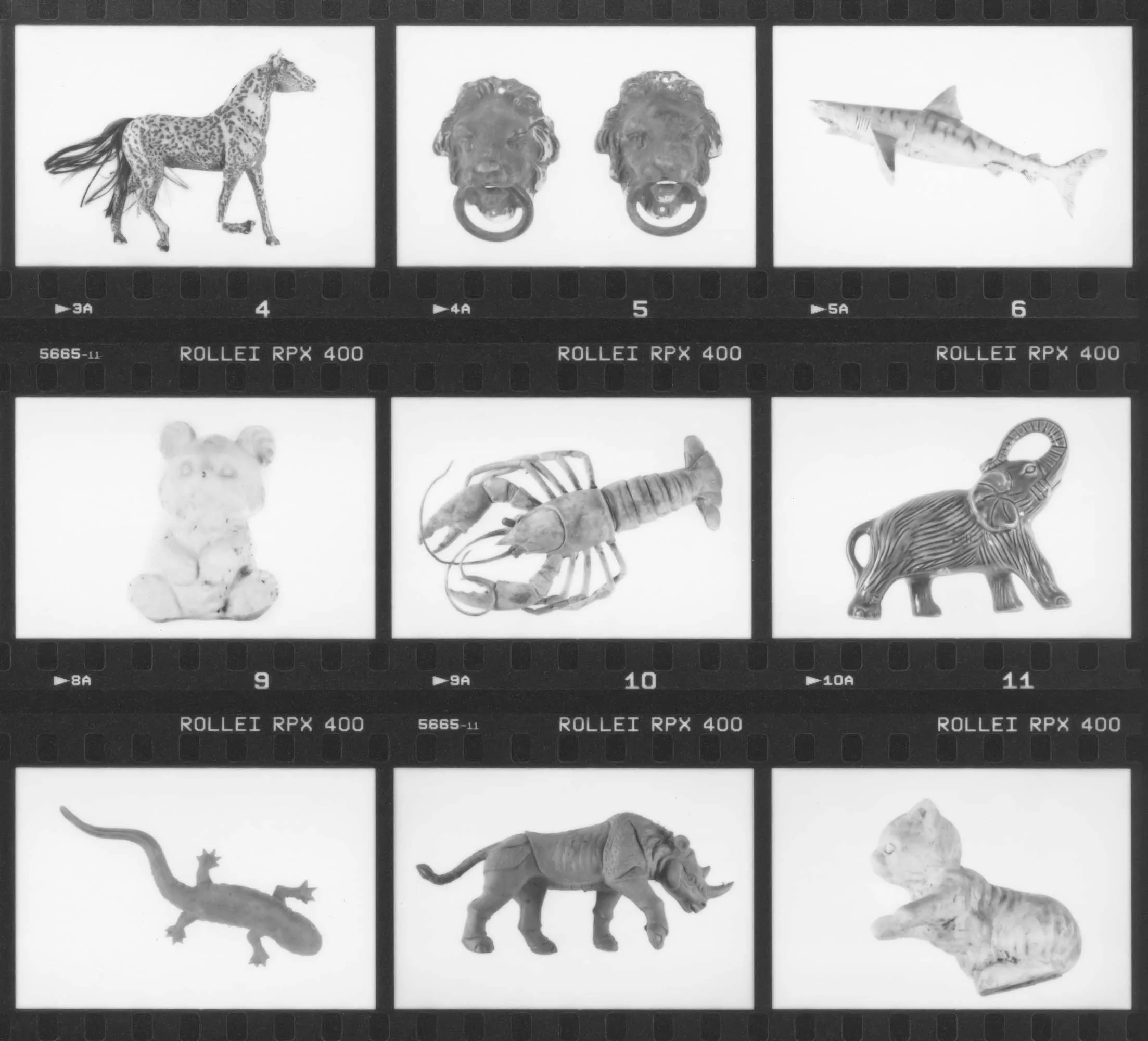
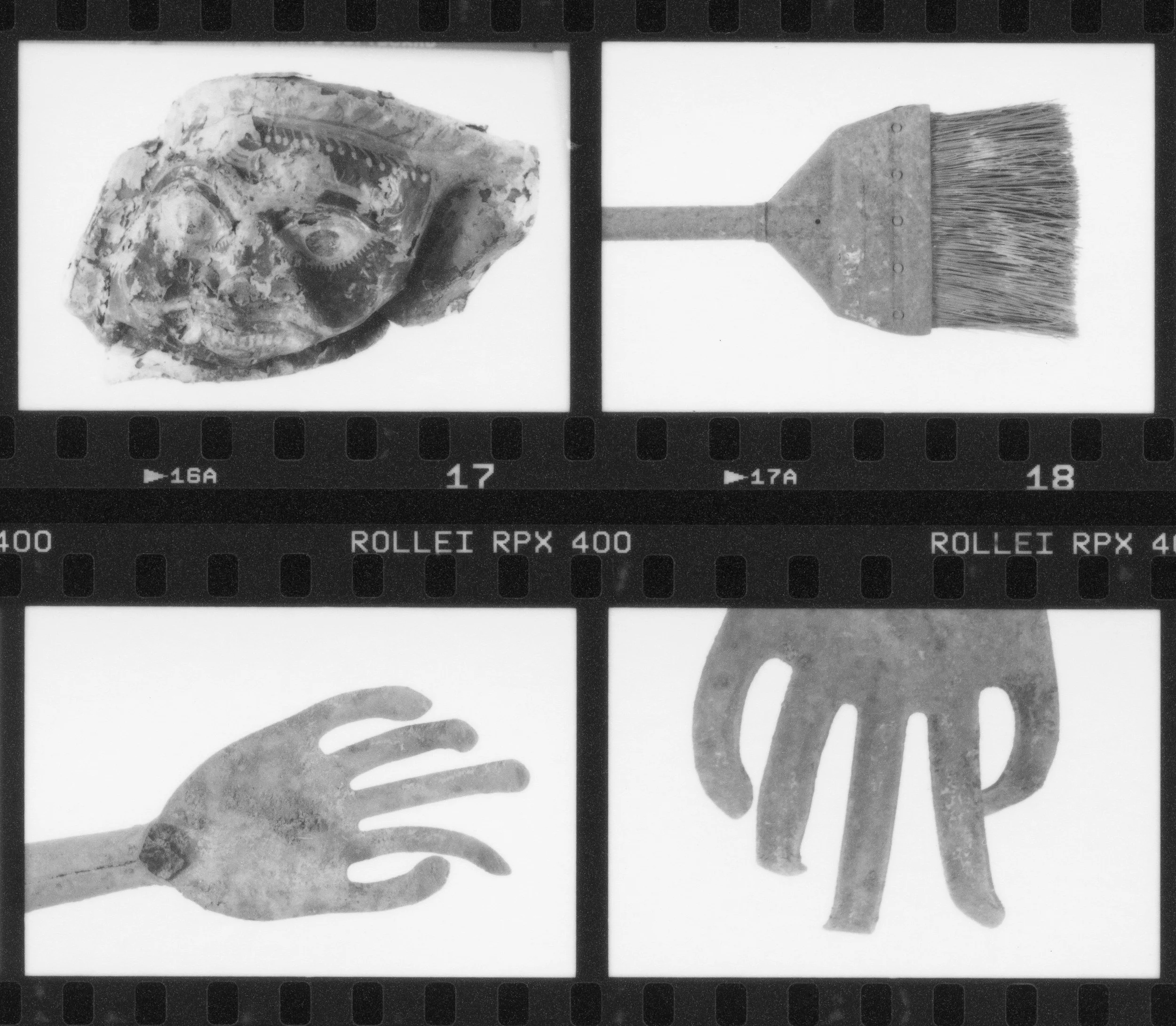
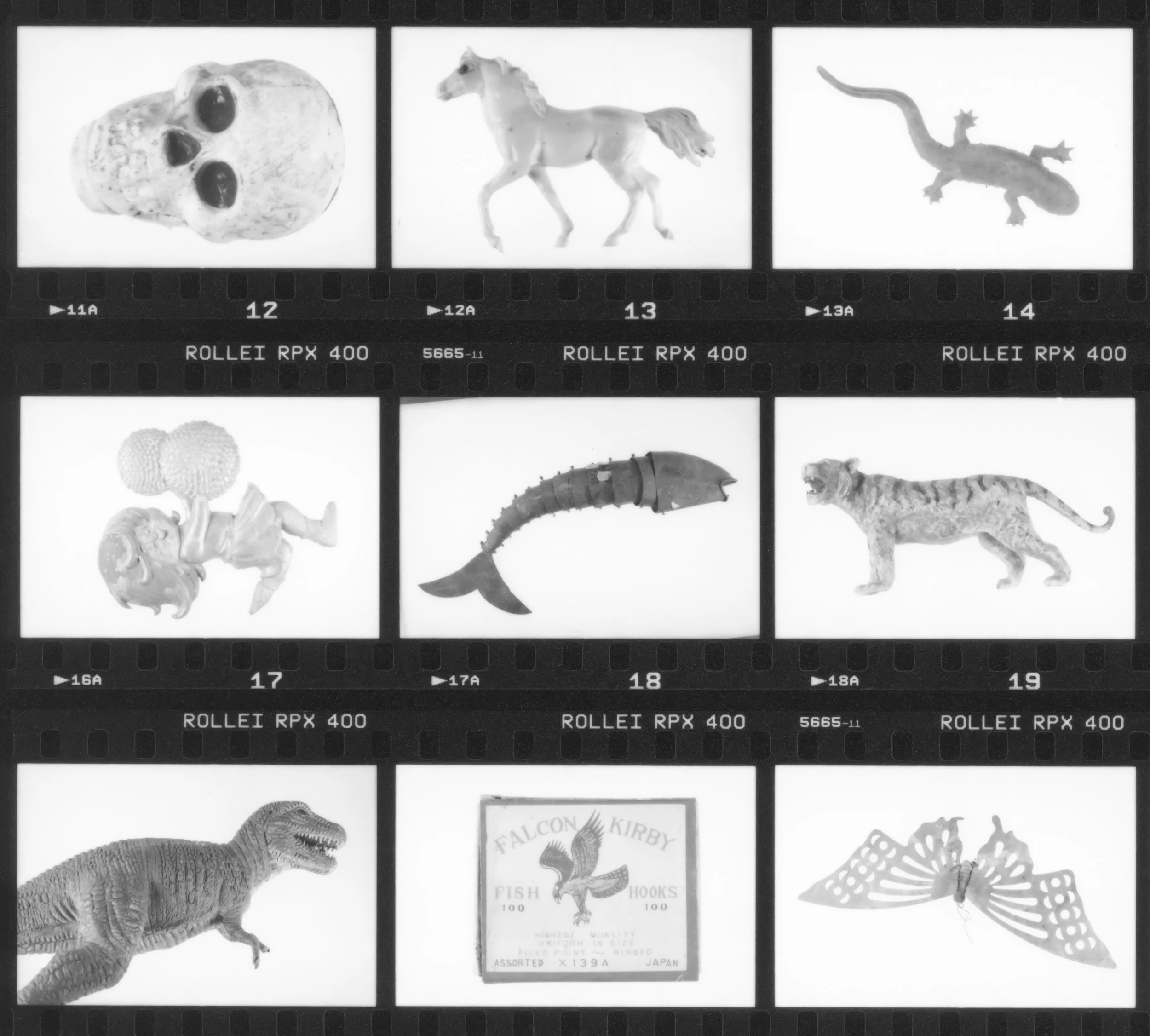
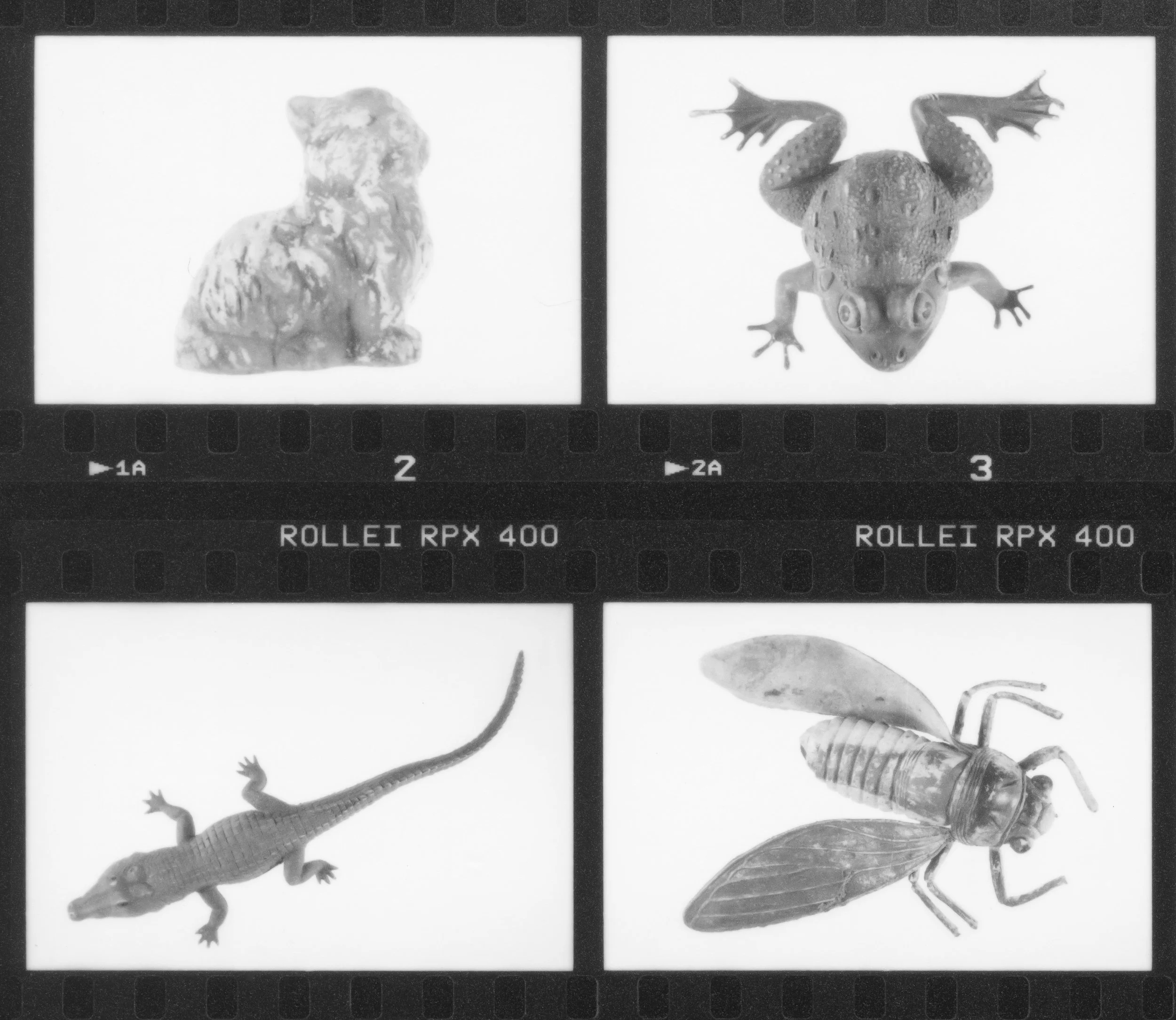
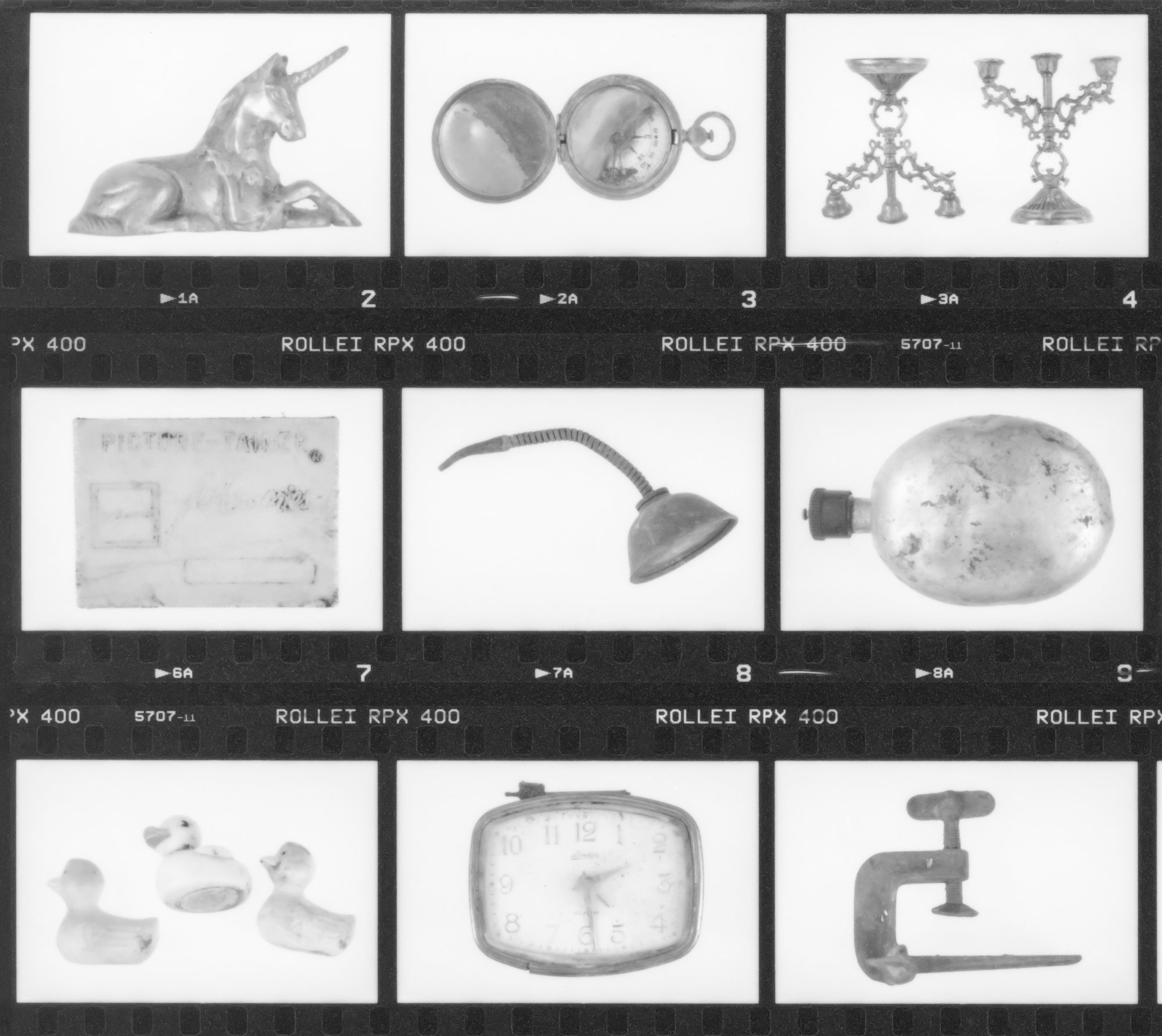
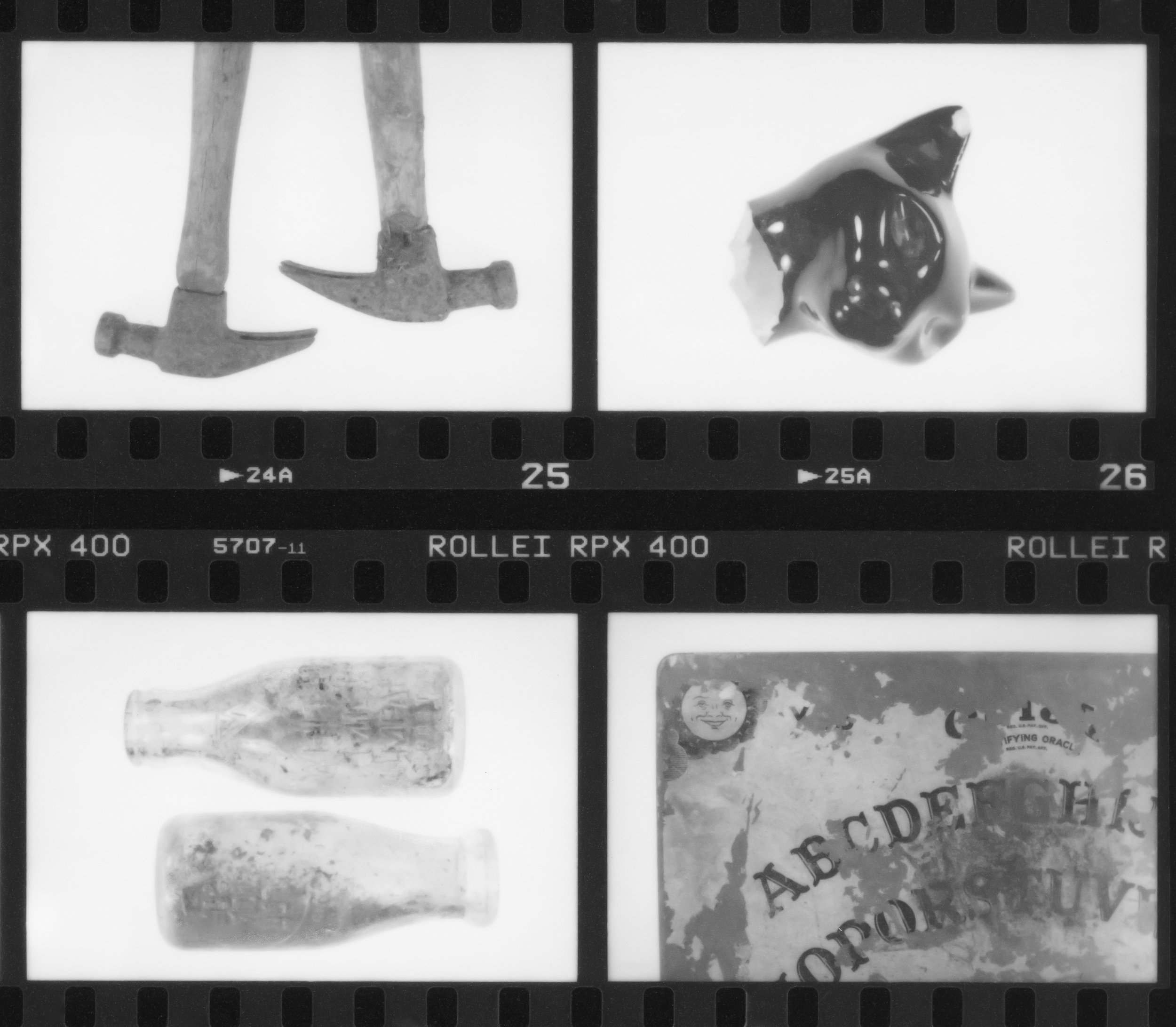
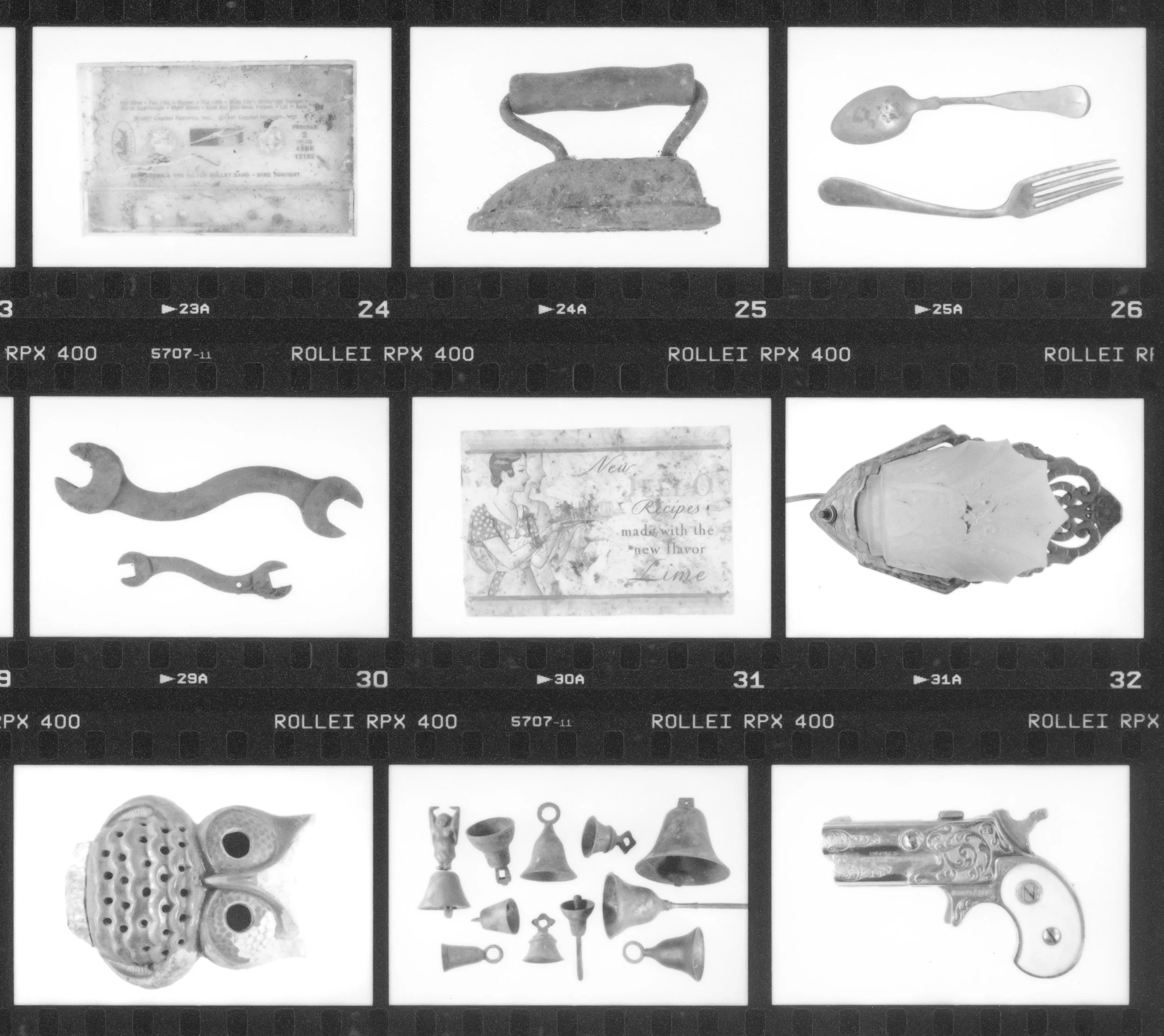
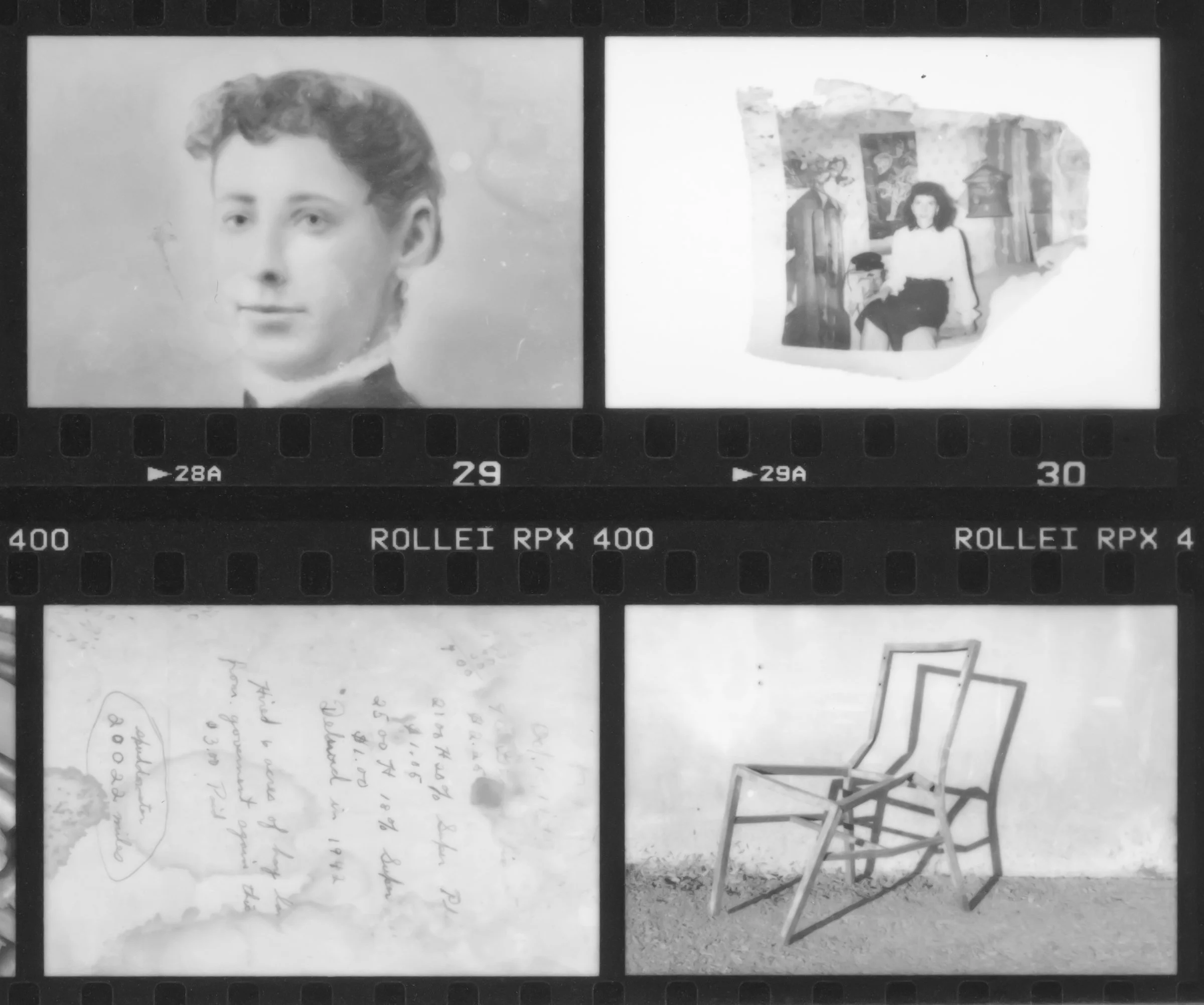
I also collected objects of aesthetic interest, and which seemed to hold memory. In my studio, I photograph the items with black-and-white film, and scan the darkroom contact sheets so that I may digitally crop and print combinations of images. It’s a process I innovated in 2022 with a series about the things gathered from my father’s house and studio in New York. Contact grids allow objects to communicate across the frames and rows of film strips. Disparate items are democratized in scale and become pieces of a visual and contextual puzzle.
“Basin Street Things” represents a fragment of the vast array of objects uncovered at the site. Plastic toy animals, dolls, religious paraphernalia, bullet shells, tools, kitchen utensils, handwritten notes, and photographs speak of generations of people who farmed and lived by the New Haven River and have since passed.